

9 Signs When It’s Time To Redesign Your Website in 2026



Does it look like it’s stuck in 2020? Does it load slower than most of its peers? Does it repel mobile-first users? Does it consistently fail to ‘convert’ visitors? Then the time is now.
Sales, Credibility, Search visibility, Ignoring outdated website design will cost you all of that and more. The only fix is timely investments in professional website redesign services. Let’s learn how to make such timely investments.
Let’s learn how to know if your website needs a redesign. We’ll share a detailed website redesign checklist. If you see that your site suffers from most of the issues we’ve outlined in this checklist, you know that the time to redesign your website is NOW.
Signs You Need a Website Redesign: Why You Need to Spot Them
The relentless pace of technology. The constant evolution of user expectations. The ever-shifting goalposts of search engine algorithms. Because of these factors, websites today have functional lifespans of 18-24 months. What was cutting-edge in 2023 is today’s digital relic. And if your site is such a relic, it is actively sabotaging three critical business assets:
- Trust: 75% of users judge a brand’s credibility purely on visual design – outdated web interfaces signal incompetence.
- Traffic: Google’s “Experience-First” algorithm heavily penalizes sites with CLS scores >0.1 and FID delays beyond 100ms.
- Revenue: Every 0.5-second delay in load time butchers conversions by up to 4%.
Your website is the digital face of your brand. It is where 94% of visitors form their first impression of your company. They make a judgment about your credibility in less than 50 milliseconds – literally the blink of an eye.
Outdated. Slow. Confusing. If those are the kinds of first impressions your site is making, your online presence is doomed.
“When is it time to redesign your website?” is one of the most pressing questions a business can ask today. And, they need to ask this repeatedly. Spotting the signs you need a website redesign is the first step. Understanding the deeper reasons to redesign your website is the next step. Let’s take both of these steps in the next section.
Top 9 Signs You Need a Website Redesign
So, how to know if your website needs a redesign? It rarely happens overnight. It is usually a slow decay. A series of small problems that add up to one big one: your site is no longer doing its job. Here are the top nine ‘small problems’ to watch for:
1. Your Website Has an Outdated Visual Design
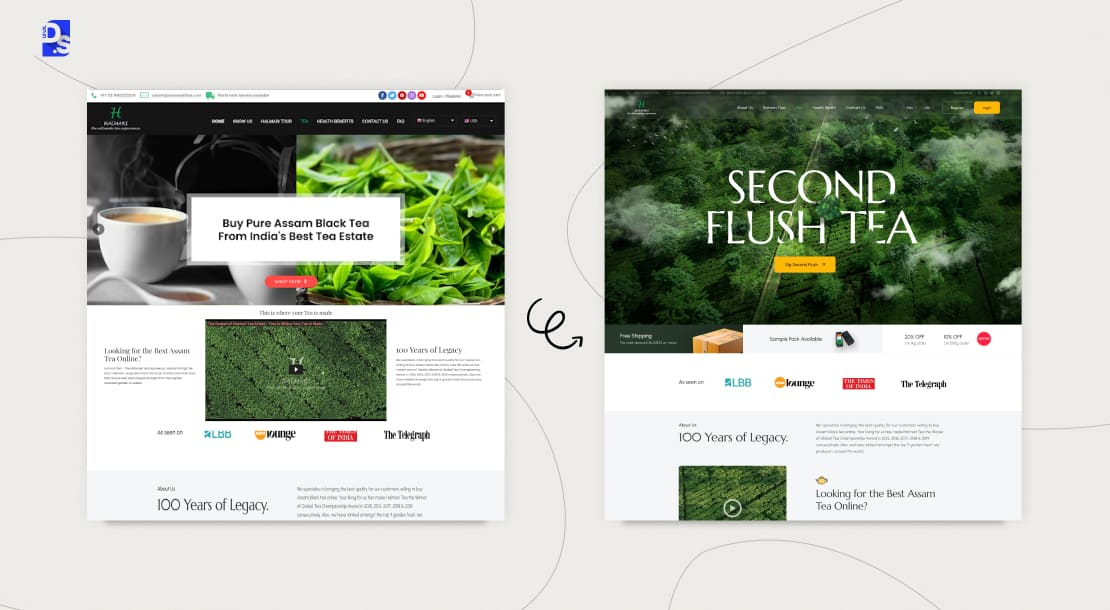
Skeuomorphic buttons. Auto-playing stock photo carousels and sliders. Cramped text blocks. A visual style that dates back 3+ years. These are the most obvious signs that you’re dealing with an outdated website design. Modern web design trends of today prioritize totally different things. They prioritize:
- Minimalism
- Bold typography for small screen readability
- Dynamic micro-interactions (hover animations, scroll-triggered effects)
- Glassy, semi-transparent “glassmorphism ui” effects
- Dark mode defaults
- Micro-interactions
- Accessibility-first palettes (AAA contrast ratios)
Absence of these elements = clear website redesign indicators for businesses. To understand and act on these signs:
- Audit your site’s design against competitors and industry leaders.
- Create a list of all the outdated design elements you need to remove.
- Create a list of all the trending design elements you need to add.
- Conduct UX research to find out which of these elements your website users actually want.
2. Your Bounce Rate is Alarmingly High
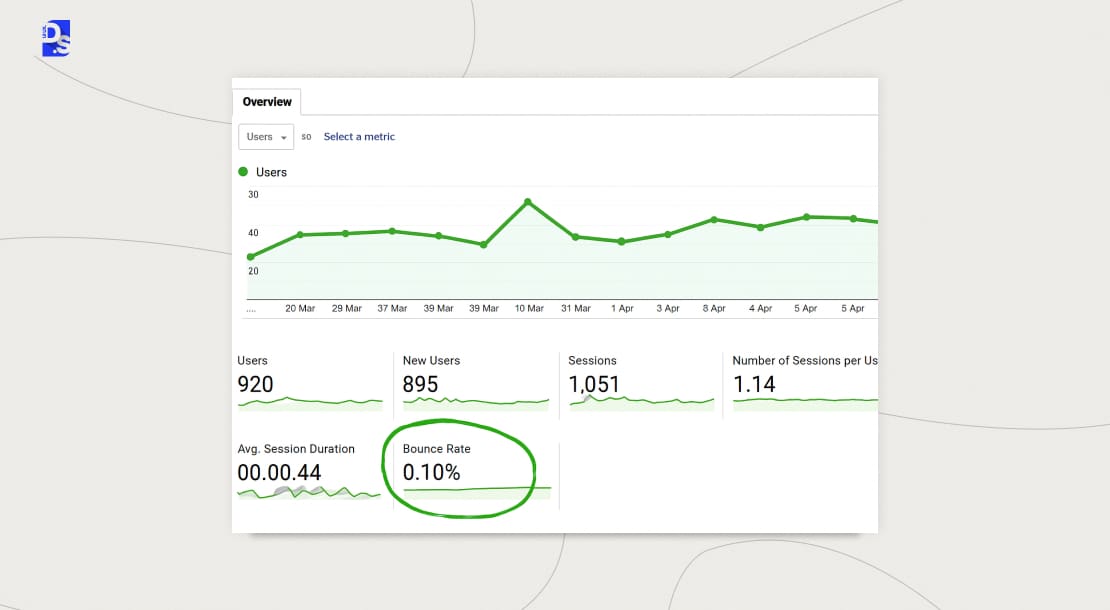
The average eCommerce bounce rate in 2025 was 45%. If your website’s average bounce rate is close to or higher than that, you need an urgent business website redesign strategy.
Bounce rate = the % of website sessions that end after just one page view
Above-average bounce rate = most of your visitors are landing on your site and leaving immediately without taking any action
If your key landing pages have a bounce rate over 50%, you have a serious problem. It is a direct signal to Google that your key landing pages are not relevant or useful. Ignoring this ruins your search rankings over time.
You need a redesign to fix these issues because high bounce rates are caused by deeper lying design flaws like:
- Confusing Information Architecture
- Your content is not scannable
- The promise made in your ad is not instantly fulfilled on the landing pages
- Poor mobile experiences
To deeply understand and act upon these signs, you need a website redesign:
- Use Hotjar session recordings to observe exit paths.
- Analyze scroll depth maps for abandoned sections.
- Cross-reference exit pages with Google Analytics goal flows.
- Simplify menus to 5 core items max.
- Implement sticky CTAs with progressive disclosure on all landing pages.
- Make all landing page designs hyper-focused on the ads they are linked with.
3. Your Site Isn’t Mobile-Friendly
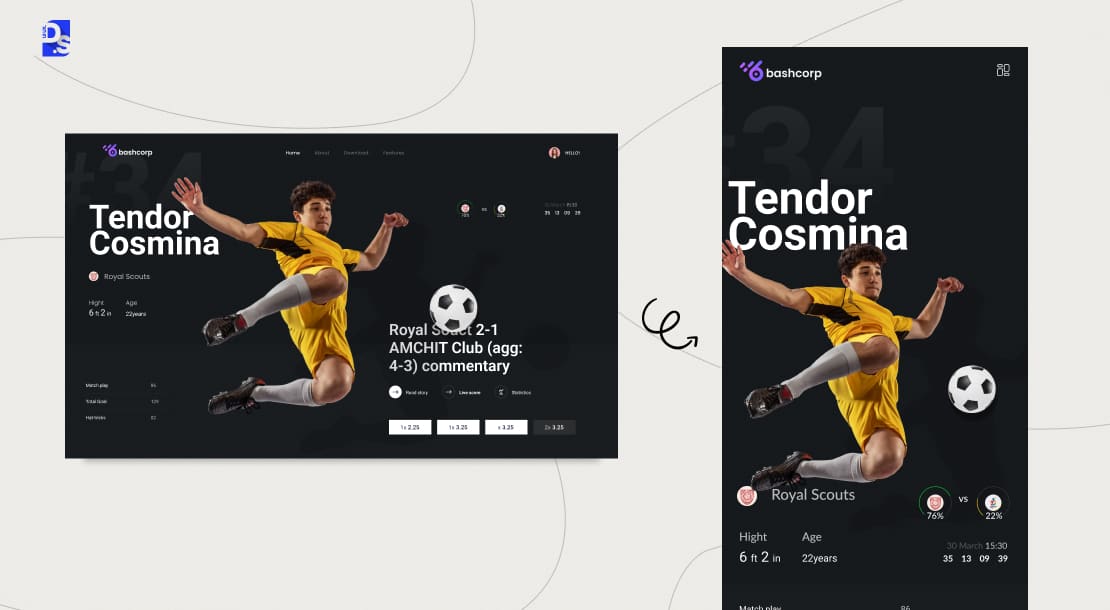
“Should I redesign my website?” The answer to this question is always nuanced. Unless your site is not mobile-first. Then, there’s only one answer. Yes. Yes. And yes. Here’s why:
- 64% of all Internet traffic is mobile.
- Google’s “mobile-first indexing” means the search engine will rank/index your site’s mobile version first.
- Most of your visitors will be accessing your site via their mobiles.
If their fingertips cannot properly click on your site’s CTAs. Or, the site asks them to scroll horizontally. Or, uncompressed hero images on the site cause 12+ second loads. Or, reading content requires pinching and zooming. Then, your site is doomed.
To check if non-mobile-friendliness is one of the signs you need a website redesign:
- Conduct mobile usability tests.
- Conduct Google Mobile-Friendly Test.
- Check your site’s LCP (Largest Contentful Paint) on mid-tier Android phones.
Do all of these tests yield negative results? Then:
- Invest in responsive web design services ASAP.
- Ask your redesigners to adopt a mobile-first design strategy.
- Implement accelerated mobile pages (AMP) for all content pages.
- Implement touch-optimized navigation grids.
4. Your Loading Speed is Painfully Slow
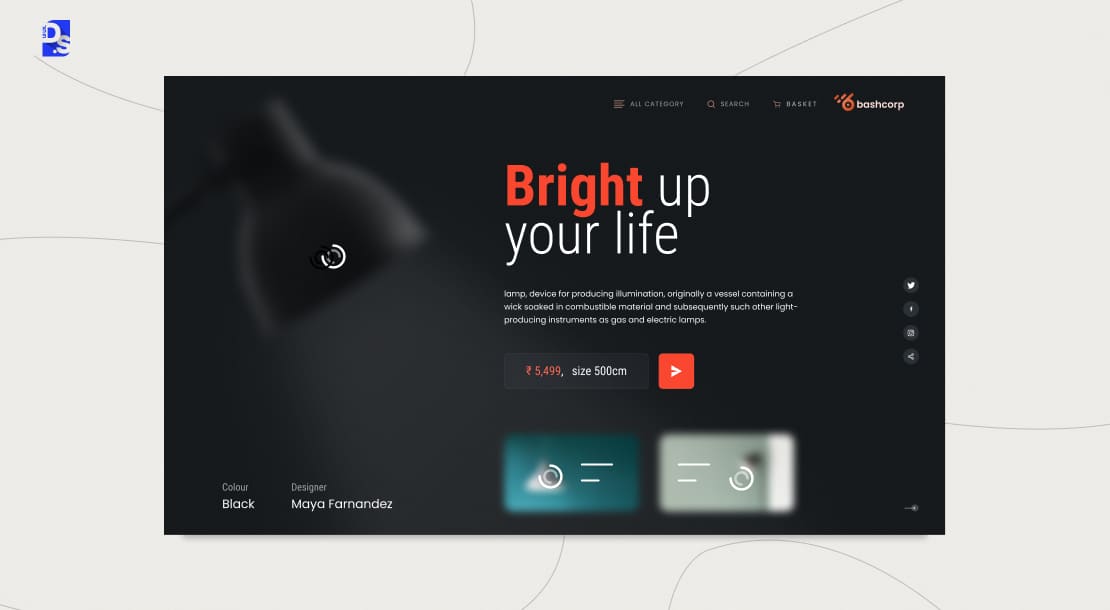
3-seconds. That is how long the average visitor will wait for your site to load before they bounce. The more they bounce, the more Google will penalize the site’s SEO rankings. Check if your site is suffering from this cycle of load-speed-related damage.
- Check if your webpages load in less than 3 seconds on mobile and desktop.
- Check your site’s Core Web Vitals score (must be higher than 90).
- Find all unoptimized WebP images on the site (if any).
- Look for render-blocking JavaScript in the site’s code.
- Check for server misconfigurations (like missing Brotli compression).
If your site is failing these metrics, your redesign team will:
- Redesign the site by following the latest UX design tips to load websites faster
- Convert all on-site images to AVIF format (30% smaller than WebP)
- Inject critical CSS above the fold
- Deploy edge caching (via Cloudflare or Fastly)
5. Your Conversion Rate is Low

This is perhaps the most painful sign. You have traffic. But nobody is buying. Nobody’s signing up. Nobody’s contacting you. Have you analysed whether you have conversion focused website design? To answer this, look for symptoms like:
- Click Through Rates (CTR) <2% on primary calls-to-action
- Form abandonment rates >60%
- High cart abandonment rates
A website’s design hurts its conversion rate typically when:
- Weak CTAs camouflage into layouts
- Forms demand excessive fields
- Checkout flows contain too many friction points
When is it time to redesign your website? As soon as these issues pop up. Fixing these issues requires a multifaceted approach. Firstly, the redesigners implement CTA button design best practices on all conversion-oriented pages on the site. They also:
- A/B test button hierarchy with tools like Optimizely.
- Analyze form heatmaps for field hesitation and then make data-based form adjustments.
- Track cursor exit vectors during checkout and eliminate all friction points.
- Make all CTAs have contrast ratios higher than 4.5:1 against the background.
- Use action-oriented verbs on all CTAs.
A poor conversion rate = leaving money on the table.
6. Your Brand Has Evolved
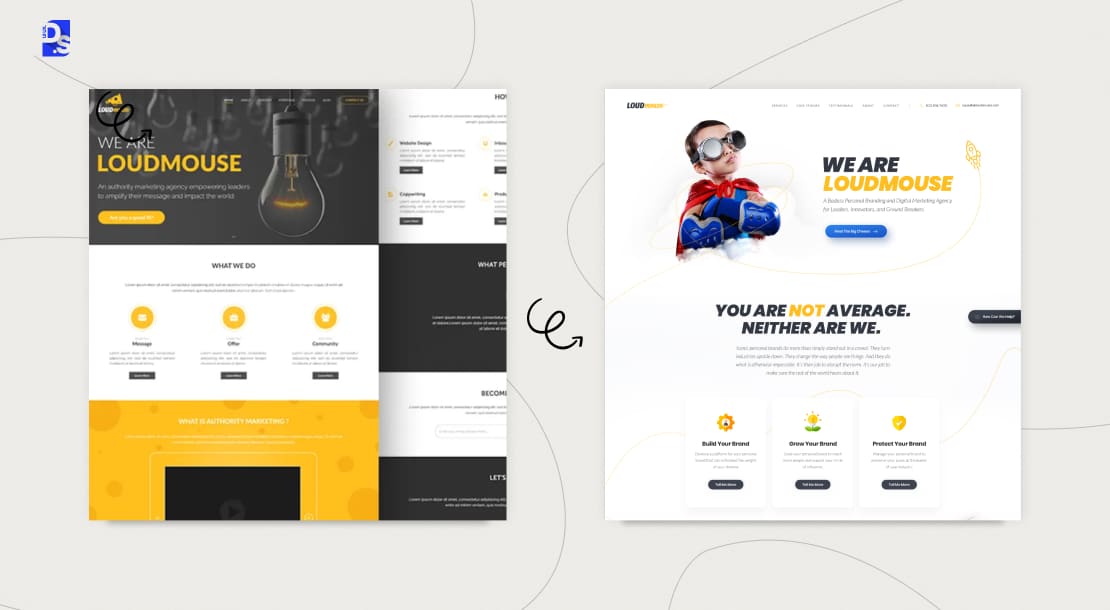
Businesses change. Messaging, logos, product range, and target audience. They can all evolve over time. To see whether or not your website has evolved with them:
- Screenshot new brand touchpoints into a collage.
- Survey customers: “Describe our brand in 3 adjectives.”
- Run SEMrush Brand Monitoring for inconsistency flags.
- Check if heatmaps expose high exit rates on pages with outdated messaging.
Are these new brand essentials reflected in your current site? If not, take these steps.
- Seek out brand identity design services.
- Create a detailed plan to upgrade your site’s branding with those experts.
- Ask your redesigners to implement a new design token system (centralized CSS variables for colors/fonts) for your site.
7. Your Site is Difficult to Update
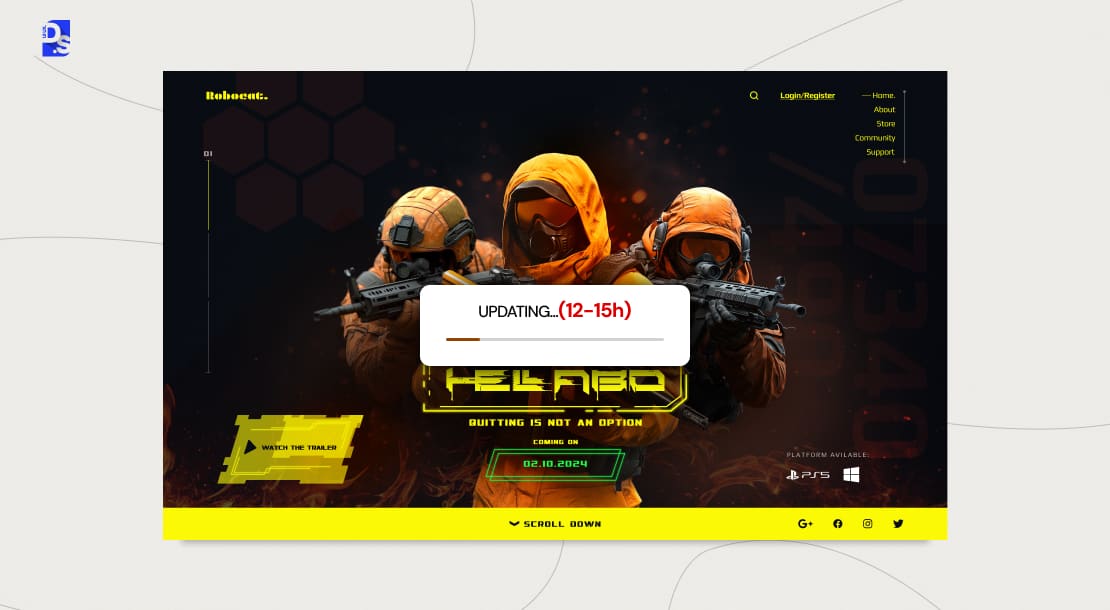
Marketing teams at mid-sized companies often waste 15-20 hours monthly on making trivial website updates like image swaps or pricing changes. That’s equivalent to tens of thousands of dollars in lost productivity.
- Does your own team struggle with these issues?
- Does updating basic website content require developer intervention?
- Does it require fighting archaic CMS interfaces?
Then, it is time to do more than just redesign the site. It is time to rebuild the site on a friendlier Content Management System (CMS). One that empowers your marketing team to manage content independently. To do so, the redesign team
- Migrates the site to a headless CMS platform with modular content blocks.
- Implements git-based content versioning for rollback safety.
- Trains marketing teams in visual editing tools (Webflow, Framer).
Teaming up with a Webflow web design agency can be a good idea if you are in this situation. Even getting custom WordPress website design services and building a more easier-to-update WordPress site is a good option.
8. Your SEO Performance is Poor
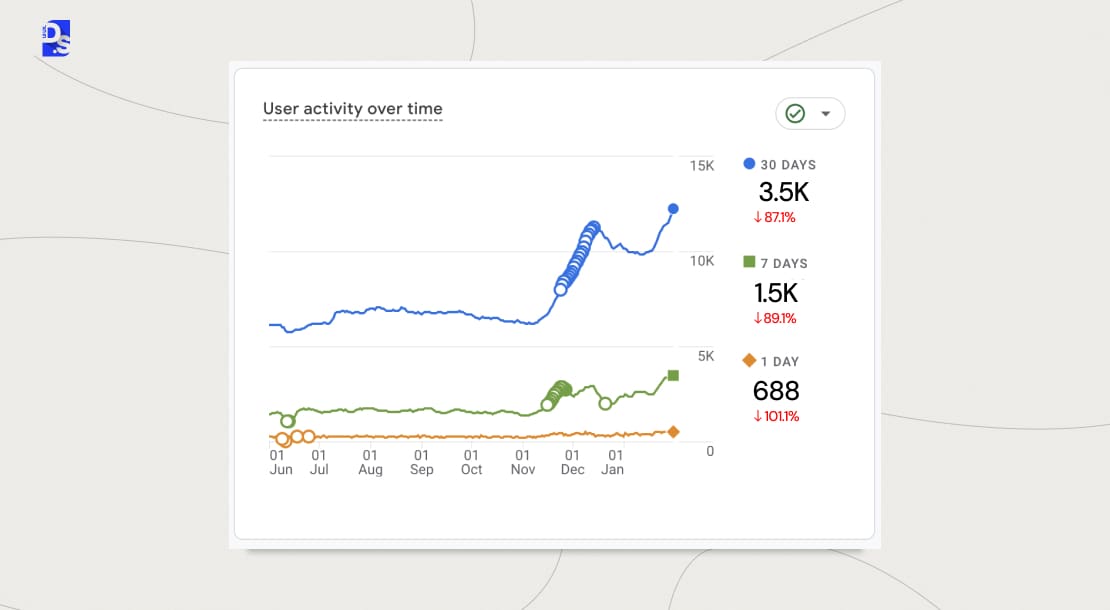
Is your site’s organic traffic flat or declining? Is it buried on page 5 of Google search results? Then, it has probably fallen victim to Google’s 2025 algorithm update, which now penalizes sites with:
- Cumulative Layout Shift (CLS) >0.1
- Thin content (<1000 words per topic cluster)
- Broken schema markup that misguides AI crawlers
To accurately diagnose these problems:
- Run DeepCrawl to identify orphaned pages and broken redirects.
- Analyze your site’s Google Search Console ‘Coverage’ report for indexing gaps.
- Use SEMrush’s Position Tracking to monitor keyword erosion.
If all signs point to SEO erosion, then yes, an up-to-date SEO-focused redesign is very important. The redesigners take SEO-boosting steps like:
- Expand pillar pages to 2500+ words with expert citations.
- Add structured data layers for FAQs, How-Tos, and Product schemas.
- Fix crawl budget leaks with robots.txt optimization.
- Implement priority-based XML sitemaps.
- Develop skyscraper content targeting competitors’ weak backlink pages.
9. You’re Getting Negative (or No) User Feedback
Still unsure of how to know if your website needs a redesign? Just ask your users. Direct user feedback is a goldmine. When users describe your site’s navigation as “a maze” or forms as “broken,” they’re giving you a clear list of what to fix. But the most dangerous feedback is no feedback at all. No form fills. No phone calls. No reviews.
These ‘non-signs’ indicate that your site’s design is so poor that users are leaving without a word. They are not invested enough to even complain. This is one of the most critical signs you need a website redesign.
How Often Should You Redesign Your Website?
In the past, the industry benchmark was every 2-3 years. But the digital world moves too fast today. The new benchmark for a business website redesign strategy is every 18-24 months. That’s because:
- Modern frontend frameworks decay very fast, and every 18 months, there are paradigm shifts.
- CSS innovations (like Houdini, container queries) make old code obsolete every 24 months.
- Google’s “MUM updates” now instantly penalize sites lacking E-E-A-T scoring, real-time content freshness signals, and page experience scores below 90%
- New phone screen technologies require quarterly adaptations.
Businesses should plan for redesigns as soon as they spot any of the 9 outdated website design signs we have discussed. Typically, the redesign schedules for different types of websites are:
- Ecommerce: 12 months (shopping behavior shifts quarterly)
- B2B SaaS: 18 months (enterprise UX expectations escalate)
- Publishers: 24 months (content decay accelerates)
? Red Flag: When your Core Web Vitals percentile drops below competitors’ median, start redesign planning immediately.
What Should a Redesign Include?
Here’s what a comprehensive website redesign checklist should include in 2026.
A Complete Visual Overhaul (UI)
- Dark mode by default
- Variable font systems to reduce page weight
- Haptic UI feedback
- Aligning the site’s aesthetics with industry standards (while reinforcing brand identity)
Improved Navigation and Structure
- Making the site’s information architecture feel intuitive and effortless to users
- Predictive mega-menus
- Eliminating all dead links in all navigation systems
Full Mobile Responsiveness
- Adopting a mobile-first design approach
- Placing all CTAs in the thumb-friendly zones of the screens
- Creating Accelerated Mobile Pages for all key pages (for 0.3s load times)
A Better Content and Conversion Strategy
- Creating more effective microcopy
- Adding long-format content with citations to high-authority sources
- Sharing real-time inventory details with APIs
- Creating more eye-catching and user-centric CTAs
Comprehensive SEO Optimization
- Building a solid technical SEO foundation into the site’s code and structure
- Creating LLM-optimized content clusters with 5-layer topical depth
- Creating structured data sets for AI agents to scrape
Businesses should gradually but surely add these tasks to their website redesign project plan in 2026. Adding some of these features to a website might require the aid of custom website design development experts.
Before You Redesign: Do a Website Audit
What’s working? What’s broken? Where are the biggest opportunities for improvement? Jumping into a redesign without data-backed answers to these questions is not right.
Getting professional UX audit services can help answer these questions. These pre-redesign audits typically investigate the site’s:
- Technical Performance: Site speed, Core Web Vitals, mobile performance
- User Behavior: Dissecting on-site user journeys to find areas for improvement
- Competitor Analysis: Benchmarking the site against top competitors to spot gaps
Conclusion: Don’t Wait Too Long
Waiting is no longer an option. That’s the most compelling of all the reasons to redesign your website in 2026. Improved conversion rates. Higher user satisfaction. Better search engine rankings. These benefits are just one prompt action away. Ready for action?
Get a free website audit from Design Studio UI UX today! Contact us now to get priority access to our website redesign services.
FAQ’s
How do I know if my website needs a redesign?

Outdated look. Outdated UX. Slow load times. Poor mobile experience. Low conversion rate. These are the most obvious signs you need a website redesign.
How often should websites be redesigned?
Every 18-24 months.
Will redesigning my site improve SEO?
Yes, if it’s done correctly. Redesigners must first preserve the site’s existing SEO status. Then they should improve the status by improving site speed, creating a better IA, optimizing the design for mobile, and refreshing the content.
What's the cost of a website redesign?
Project scope. Website size. How many custom-designed features the site has. Business complexity. These factors will determine the cost. The cost will range from $5k to $100k+.
Should I do a full redesign or just optimize my current site?
If your website only has 2-3 of the signs we’ve discussed, then targeted design optimizations will do. If it has 5+ signs, then only a full redesign will help. Get a website audit to find out which approach is right for your site.