



9 Emerging UX Research Trends Shaping 2025 and Beyond



In 1972, Dutch graphic designers Wim Crouwel and Jan van Toorn famously debated whether objectivity or subjectivity works better in design. Crouwel argued in favor of the graphic designer as the rational and objective service provider. Van Toorn argued that such objectivity is impossible in design and that personal expression is more powerful.
Though graphic design eventually embraced both perspectives, UX design has firmly sided with objectivity. Modern UX design leans on empirical research methods – usability testing, ethnographic studies, card sorting – to ditch gut feelings for hard evidence.
Why?
Because understanding users authentically – their behaviors, values, and challenges – is the only way to create meaningful digital experiences. UX research delivers that insight, empowering teams to solve real problems through user-focused decisions. Today’s UX researchers are versatile shape-shifters, juggling exploratory studies, prototype evaluations, team workshops, and the latest UX research trends to paint a clear picture of “the user” across organizations.
As digital products grow complex, user bases swell, and the costs of uninformed design decisions skyrocket, the pressure to nail exceptional experiences has never been higher. Enter a new era of trends in UX research, shaped by technological leaps, business demands, and societal shifts.
Top UX Research Trends in 2025
AI Powered UX Research

AI is revolutionizing UX research by turning mountains of data into actionable insights at unprecedented speeds. Tools like UXtweak and UserZoom now automate tasks that – once took weeks (transcribing interviews, coding qualitative data, predicting usability issues, etc.) – now only take minutes. The shift towards AI powered UX research is not just about speed; it is also about precision.
Google’s recent multilingual search interface overhaul relied on AI to analyze non-English feedback. AI tools helped their UX team uncover cultural nuances that manual methods would have missed.
Machine learning algorithms detect subtle behavioral patterns – like hesitation clicks or session drop-offs – that even seasoned researchers might overlook.
This UX research trend is fueled by the need for digital companies to precisely scale their research across global markets.
But, adopting this trend isn’t easy. While AI reduces human bias in data analysis, ethical concerns around algorithmic transparency still persist. Early adopters like Spotify are navigating this by pairing AI-driven sentiment analysis with human oversight.
The catch? Teams need to pick tools carefully to avoid biased results.
As long as companies can do that in 2025, we can expect AI to become the go-to collaborative partner for UX researchers. From suggesting research questions to prototyping solutions in real time – AI tools will reshape not just how we research, but how acutely we define “user-centricity.”
Remote Usability Testing
Gone are the days of sterile lab environments.
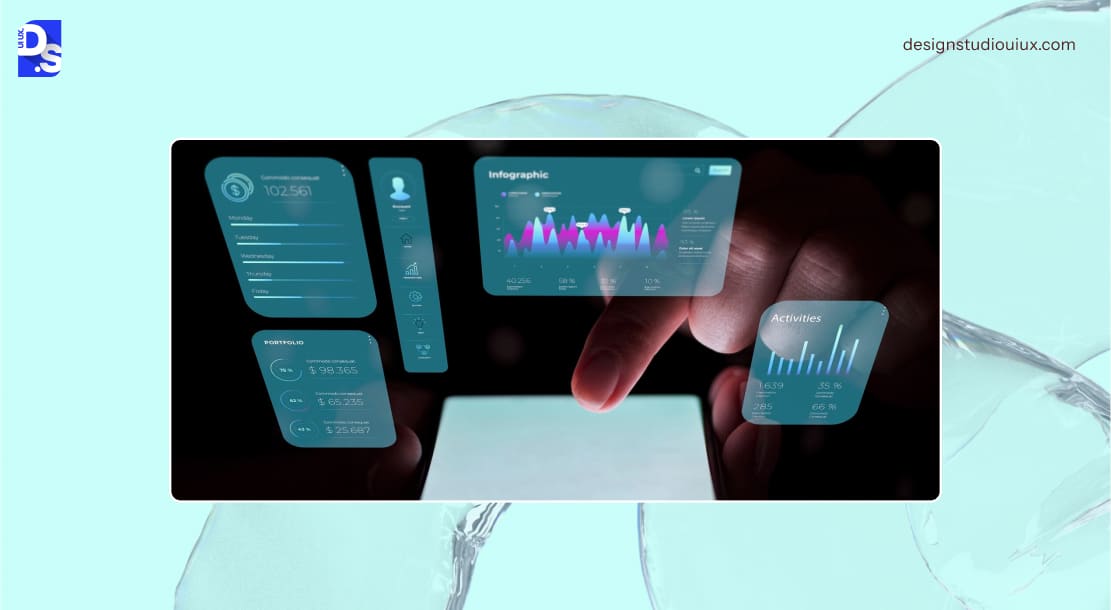
Remote testing tools like Trymata and UserTesting let UX researchers observe users in their natural habitats – whether it is a developer in Nairobi troubleshooting an app or a retiree in Osaka shopping online. This trend exploded post-pandemic, driven by hybrid work and the need for cost-effective, inclusive research.
Does it work? Absolutely.
When Airbnb redesigned its booking flow, remote sessions revealed that users in India preferred localized payment gateways, a detail that lab-based tests would have missed.
Diverse, global recruitment uncovers underserved voices, grounding designs in authentic contexts. UX researchers get to validate their ideas faster, blending asynchronous feedback with live analytics dashboards. Clients gain broader market reach and swifter MVP tweaks.
Critics argue remote testing lacks the nuance of in-person observation, but tools like Lookback counter this with live facial coding and biometric integration. AI-enhanced platforms like Maze can even auto-generate task prompts for users based on small changes in the prototype. Overall, this trend points to a win for inclusivity and speed. It is redefining how we test what matters.
Inclusive and Accessible UX Research
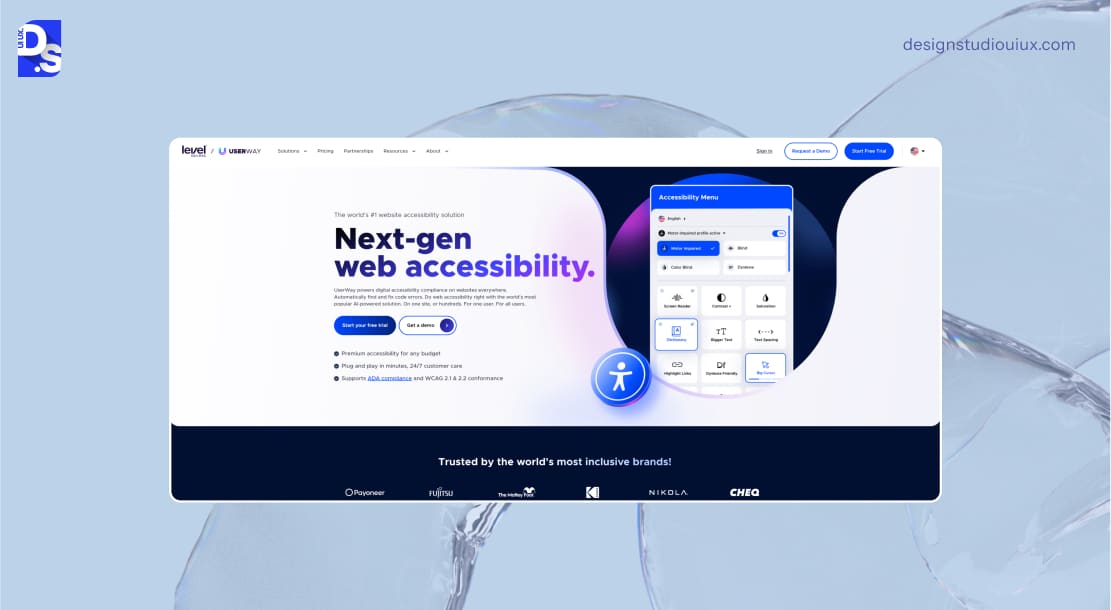
Laws like the EU Accessibility Act and ethical consumerism are pushing UX teams to prioritize everyone, from disabled users to aging adults. Tools like User-Way and Axe DevTools can now automate WCAG compliance, while AI tools can audit a platform’s accessibility in real time.
Researchers must master these guidelines, tap advocacy groups for diverse recruits, and use platforms like Be My Eyes to simulate user scenarios for those with visual impairments. Doing so means their clients will get to dodge lawsuits, boost loyalty, and unlock an $8 trillion market.
Start by auditing your platform against WCAG 3.0.
Use accessibility-centric UX research tools like Stark and prioritize weaving accessibility into your research and design pipelines.
Real Time User Feedback Integration

Imagine an app that morphs its interface mid-session whenever users frown. That is exactly what is happening in 2025 thanks to this new trend in UX research. Real-time feedback tools like Hotjar and Qualtrics now empower UX teams to capture micro-frustrations through heatmaps, embedded surveys, and AI sentiment analysis. They can use those user reactions during interactions to make on-the-spot design improvements.
UX research tools like Medallia can also correlate feedback with behavioral data: if many users complain about checkout steps while abandoning carts, it’ll guide designers to prioritize that flow.
This trend shines in Agile development cycles where quick validation is critical.
UX researchers will gain access to live data streams. Their timely design improvements will help clients see instant, measurable gains, like higher Net Promoter Scores and lower churn rates.
To implement it, embed feedback widgets at key journey points within your product, automate feedback analysis, and align those insights with your Agile UX team’s sprint timelines.
Biometrics and Neuro UX Research
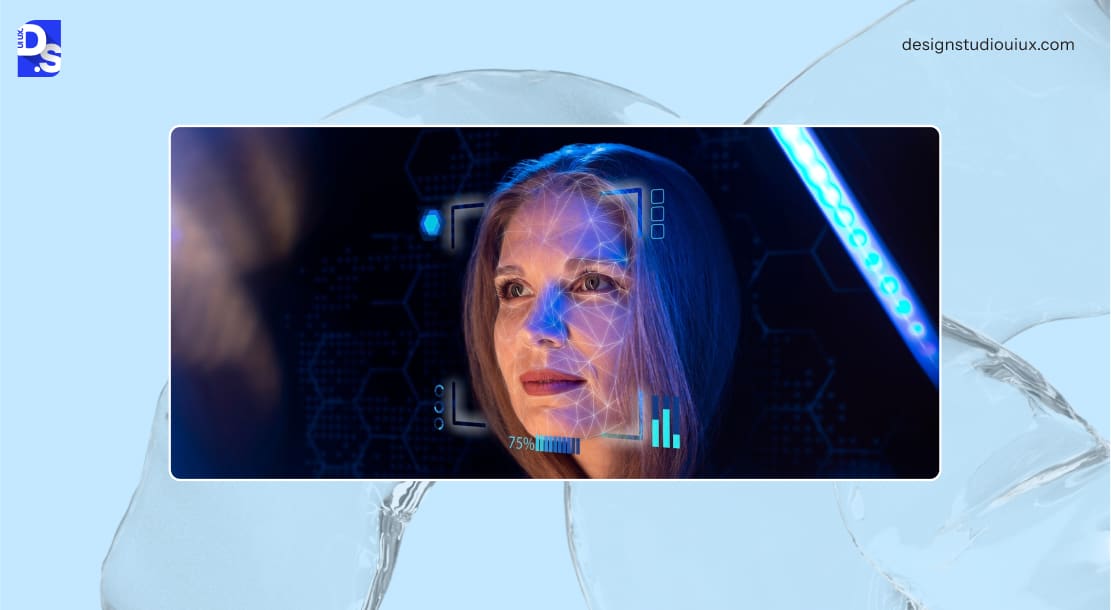
Imagine if your app could measure user frustration through a webcam and then adjust its design to rapidly curb those negative emotions? You guessed it – it is already happening.
With neuro UX tools like Tobii Pro and iMotions you can now decode subconscious reactions within seconds via eye tracking, EEG, and galvanic skin response (GSR). This trend merges neuroscience with UX research. It reveals the gaps between what their users say in surveys and what they actually feel.
That’s why brands that want to go the extra mile are already adapting it.
Netflix recently tested its thumbnails using facial coding to discover that viewers engaged most with previews showing tense character close-ups – not action scenes. The rise of wearables like Apple Watch and Fitbit is also democratizing biometrics, letting UX researchers track things like heart rate spikes during app interactions, in real-time.
But how do you store biometric data securely and then use it ethically?
Brands like Nike are navigating this issue by making “neuro-informed” design decisions – like placing CTAs where eye-tracking heatmaps show peak engagement.
The payoff for users? Interfaces that feel more intuitive, not intrusive, the more you use them.
In 2025, expect neuro UX to balance persuasion with privacy – turning “brain-friendly” designs into a baseline expectation from major brands.
Voice and Conversational UX Research
Imagine asking your thermostat for a weather update, and it cracks a witty joke about the rain that is set to hit your town tonight and what you ought to do to prepare. That’s where voice and conversational UX research is steering us in 2025. It focuses on making AI assistants, chatbots, and voice systems feel more natural and intuitive than ever.
Why is this trend big now?
First, thanks to natural language processing (NLP) breakthroughs like GPT-4, these tools can now personalize replies, pick up on your emotions, and even speak multiple languages. Second, hybrid work means more people want hands-free tech at home or the office. Third, it is inclusive – voice helps people with visual or motor challenges. Fourth, global brands need voice systems in local languages. Fifth, smart homes are now full of devices that rely on super-smart, super-accurate AI assistants, chatbots, and voice systems.
Advancements in voice and conversational UX research will change UX design patterns in many cool ways. Designers will get to tweak words to sound clear when spoken. They’ll be able to use tone analysis to spot when users get annoyed and fix errors fast. Brands will get to add even more personality – like niche, oddball humor – to their chatbots.
UX researchers love this trend too. They get to play with tools like Google Dialogflow, test voice UX design patterns across cultures, and team up with linguists to work on groundbreaking interfaces. Clients will also see big wins. 24/7 voice support (that saves up to 40% on manual support costs) will lead to happier customers and give them access to new markets like non-readers.
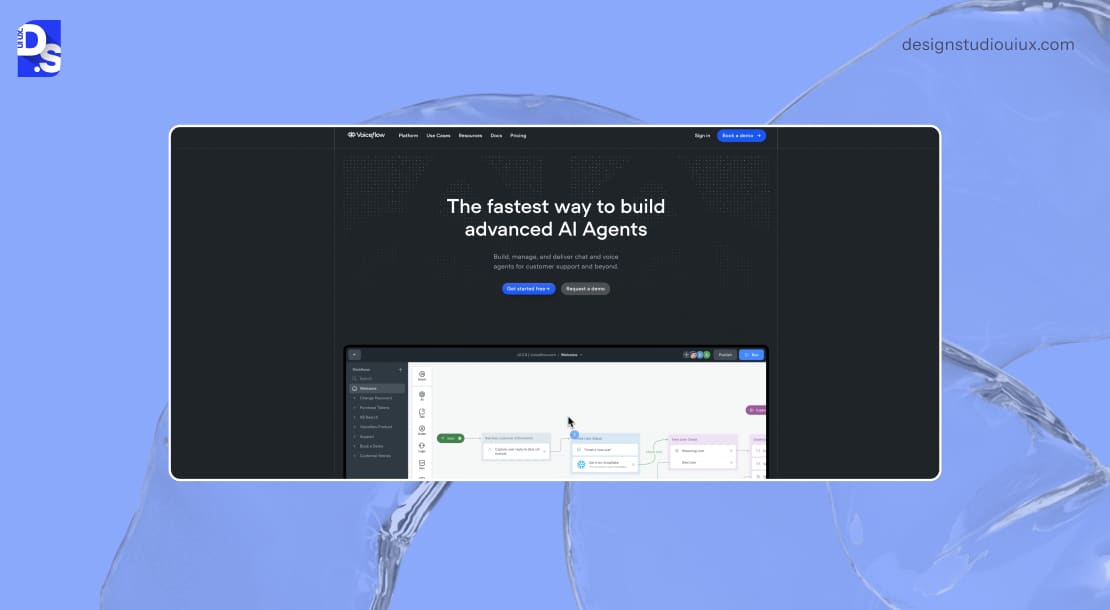
Tools like Voiceflow (for prototyping conversational UX models) and Otter.ai (for instant transcriptions) are making this new form of UX research more accessible.
Want in? Audit your products’ voice UX potential on UserTesting and start experimenting with all the tools we just discussed.
Mixed Method Research Approaches
Why choose between stats and stories when you can have both? Mixed-method research blends analytics with human narratives. It combines qualitative stuff – like interviews and diaries – with quantitative data – like surveys and analytics.
UX researchers need new methods to understand both users’ behavioral data and their feelings to decode their journeys more deeply. Bosses love it too – they want hard numbers and real user stories before investing in design ideas.
UX designers also get a boost from this. With these dual data streams, they get to prioritize their design decisions better by weighing both metrics and stories. Their fictional user personas become richer as they get backed by both stats and user quotes.
The only challenge of adopting this UX research trend? Avoiding “analysis paralysis.”
Sustainability Focused UX Research

This trend is about creating digital products that are kinder to the environment. It is growing because people care more about the planet, and companies want to pitch in. The focus is on reducing energy use and data waste through smart design choices. It means promoting sites that load fast or features like dark mode interface that don’t drain your battery.
To adopt this trend, UX researchers must learn new ways to measure a design’s environmental footprint. They must prioritize sustainable design principles in their work and encourage users to pick eco-friendly options through subtle design nudges.
Augmented Reality
What if your couch could “try on” a new color via your phone? AR research tools like Unity MARS and Adobe Aero have already unlocked this reality. They are designed to test interfaces that overlay digital info onto physical spaces. The idea is to let users interact with tech using gestures, voice, or even their eyes – ditching traditional screens and buttons. It makes digital experiences feel more natural and opens doors for people with disabilities.
But, it also means tackling challenges like keeping users safe when they are focused on virtual layers. UX researchers must explore cutting-edge tools and test how these interactions feel to users. Start small with basic AR features, then scale up while keeping user comfort and safety in focus.
The Evolution of UX Research
The story of UX research is a wild ride – from scrappy beginnings to a powerhouse discipline driving today’s digital world. Fueled by tech breakthroughs and shifting user habits, it has come a long way fast.
The First Sprout: Human Factors Takes Root (1940s)
Let’s rewind to the 1940s. Telephones are the shiny new toy, but they are a nightmare to use – buttons in weird places, dials that confuse everyone. Then comes John E. Karlin, a psychologist at Bell Labs, who decides to stop the madness. He starts tinkering with designs, asking, “How do real people think? What makes sense to them?” His tweaks are not just random. They are based on human behavior.
It’s UX research before it even had a name.
The Awkward Teen Years (1990s-2000s)
Fast-forward to ‘93, and Don Norman at Apple drops the mic: he calls it “User Experience.” Suddenly, this quirky idea has an identity and a mission. This was the moment we stopped designing stuff in a vacuum and started asking, “Does this actually help humans?”
By the ‘90s, UX research is like a teenager raiding the pantry – grabbing ideas from psychology, design, even anthropology to figure itself out. It is messy, but it is growing. Usability testing and personas enter the lexicon, but the methods are still fragmented – a blend of psychology, market research, and guesswork.
UX Hits the Big Time (2010s)
Flash to the 2010s – UX research is not just a sidekick anymore; it is the star of the show. Many world-class UX research agencies pop up across the globe. Companies like Google institutionalize it, while countless UX research tools arise to refine and democratize its key methods.
The field balloons from >1k practitioners in the 80s to 1+ million by 2017.
UX research becomes the glue holding every leading digital product team together, baked into every step from brainstorming to launch.
2020s & Beyond: AI, Ethics, and Global Impact
Today, AI parses terabytes of data in minutes, while sustainability and inclusivity redefine success metrics. Every major brand preaches the importance of UX strategy.
The modern UX researcher’s role? Equal parts scientist, advocate, and futurist.
What’s next in this ever-evolving, ever-exciting field? Let’s find out.
Challenges in UX Research and How to Overcome Them
UX research powers products that resonate with users, yet it is a field riddled with obstacles. Tight schedules, skeptical stakeholders, and the need to stay up-to-date with emerging trends can derail even the best-laid plans. Let us dissect the hurdles and map out solutions.
- Tight deadlines often compress research into a frantic sprint. Prioritize essential questions and lean on agile tactics like rapid prototyping to keep insights sharp.
- Stakeholder buy-in can falter when findings lack punch. Counter this with vivid storytelling, striking visuals, and a clear link to ROI.
- Recruiting the right participants? It can be a slog. Build a diverse pool early and tap into social media or user panels for speed. Use platforms like User Interviews to diversify your test panels.
- What if your UX research hits ethical gray areas after recruitment? Build trust with transparent consent forms and by using anonymization tools like Prolific.
- AI-powered UX research promises efficiency but sparks distrust over opaque algorithms. Always pair AI with human oversight and ground-truth results with real users to ease doubts.
- Remote usability testing misses the subtleties of face-to-face sessions. Enhance it with tools capturing facial cues or biometrics for depth.
- Inclusive research efforts often struggle to represent every voice.
- Start with one underserved group per project and expand over time. Hire disabled co-researchers and run longitudinal studies with NGOs like Disability: IN.
- Real-time user feedback may flood your team with too much data. Use smart dashboards to sift through noise and focus on high-impact fixes.
- Biometrics and neuro UX research raise ethical flags and cost concerns. Set transparent consent rules and dip into affordable entry points like eye-tracking to test the waters.
Tips to Stay Ahead in UX Research
Surviving 2025’s UX landscape demands more than tools. It requires curiosity, agility, and strategic foresight. Here’s how top researchers future-proof their craft:
Master Hybrid Skills
Blend qualitative empathy with quantitative rigor. Enroll in Nielsen Norman Group’s UX Certification to sharpen both lenses. Learn Python for basic data scripting. It is the new Excel.
Build a Feedback Flywheel
Embed research into every sprint. Use Maze for rapid prototype tests and Airtable to link insights to Jira tickets. Show stakeholders how real-time feedback slashes rework costs.
Specialize – But Stay Curious
Carve niches (for instance, AR accessibility), but dabble in adjacent fields. A psychology course on Coursera could inspire better survey designs.
Follow hybrid thinkers like Indi Young to bridge gaps between data and humanity.
Lead with Ethics
Advocate for inclusive practices before lawsuits strike. Use Microsoft’s Inclusive Design Toolkit to train teams and push for third-party audits of AI models.
Network Beyond UX
Networking will amplify your edge. Join cross-industry forums like Rosenfeld’s Research Ops Community. Join UX Research Collective or hit up UXPA events to spot what’s next.
Experiment Relentlessly
Test emerging tools weekly. Today try Synthetic Users for creating AI-generated personas or Ethnio for intercept surveys. Fail fast, document your learnings, and share them online.
Conclusion
As UX research evolves, embracing new technologies and methodologies is crucial for creating exceptional user experiences. Trends like AI-powered research, remote testing, and inclusivity are reshaping the quality of UX research services, with faster, more accurate insights. While challenges like tight deadlines and ethical concerns remain, adapting to these trends ensures UX researchers stay ahead.
Ready to transform these trends into tangible results? Partner with Design Studio, where user-centric innovation meets actionable strategy in their UI/UX consulting services.
Whether it’s groundbreaking UX research or a visionary product redesign, our UI/UX design agency is primed to collaborate with dreamers.
Let us craft the next wave of user experiences together.