


7 Fintech UX Design Trends & Case Studies for 2026



Fintech design in 2026 has evolved from simple tools into smart digital partners. According to Accenture’s research, personalized experiences can improve revenue by 25%. Also, PwC data shows around 82% of executives expect AI to improve customer experience in the upcoming years.
Fintech industries often follow some major UX trends which are- hyper-personalization, AI-powered onboarding, voice and chat interfaces, biometric security, gamification, minimalism, and synchronized experiences across all devices.
What is Fintech UX Design?
Fintech UX simplifies complicated banking, insurance services and investment tools. It creates intuitive, fast and trustworthy product experiences for users.
The financial technology (i.e., FinTech) revolution has not just changed how we bank. It has rewritten the rules of engagement. Fintech UX design sits at the heart of this transformation. Every Fintech firm aims to eliminate friction associated with the financial services they provide.
Modern users demand:
- Friction-free digital experiences
- Interfaces that feel intuitive and personalized
- Products that feel trustworthy and secure
Fintech firms, burdened by legacy finance infrastructures, have risen to this challenge with smart User Experience (UX) design.
They are leveraging savvy, cutting-edge financial UX design practices to turn mundane tasks like budgeting or investing into engaging, frictionless, and fully digital interactions.
According to 2024 BCG Global Fintech Report, global fintech revenue reached $320 billion in 2022 and is on track to grow by 15% annually through 2030. This is six times the speed of traditional banking growth. In today’s market, a great user experience is now more important for success than just having the right product features.
Data suggests around 73% users who switch their fintech apps say that bad UX was the main reason they decided to move to a competitor. Also, more than 60% users are ready to share their personal information in exchange for more relevant financial advice and offers.
But, in a sector where user loyalty hinges on speed, transparency, and ease-of-use, staying ahead of the latest finance and banking UX design trends is vital for firms to stay competitive. Companies that ignore financial UX design innovation risk losing ground.
This blog post dives into 7 fintech UX design trends – from AI-driven hyper-personalization to gamified financial literacy – that are building deeper user trust, satisfaction, and engagement.
Whether you are a designer, a fintech leader, or a curious consumer, understanding these shifts is key to mastering UX design for fintech and safely navigating the future of finance.
What Are the 7 Fintech UX Design Trends Shaping 2026?
Top fintech UX design trends in 2026 are- voice interfaces, hyper-personalization features, passwordless login process, gamification, cross-device task continuity, simplified onboarding, and minimalism.
This year, fintech is set to be smarter, safer, and more engaging thanks to the following fintech UX design trends:
1. Hyper Personalization
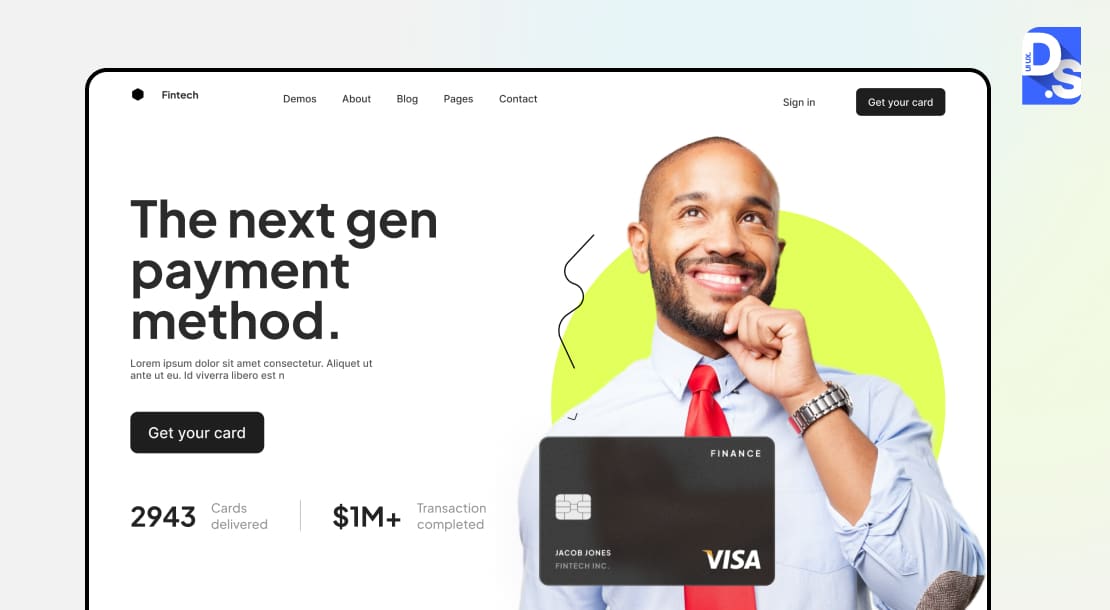
Hyper personalization within financial technology monitors transaction history, spending patterns, and behavioral signals. It mainly analyzes user behaviour and accordingly curates banking services. It provides custom advice, budgeting tools, and investment tips to build a practical financial experience.
This evolution began with basic demographic targeting but exploded with open banking APIs and adaptive AI models.
Now, over 70% of customers want their banks to offer personalized advice. In response, apps like Bank of America’s Erica have now started delivering tailored insights, nudging users about overspending or suggesting investment opportunities. Meanwhile, Revolut dynamically adjusts its budgeting tools based on real-time behavior.
The risk of ignoring this banking UX design trend? Being labeled “generic.”
Users today crave fintech interfaces that anticipate needs, not just react to them. To stay relevant, fintechs must adopt modular designs, leverage predictive analytics, and refine the recommendations their AI tools share through continuous feedback.
2. Voice and Conversational Interfaces

Conversational and voice interfaces have become vital today for better user accessibility. These systems simplify product experiences for visually impaired people and cut down on business operations.
Born from smart speakers like Amazon Alexa and advancements in natural language processing (NLP) in the late 2010s, this niche trend is mainstream now. Conversational interfaces with chatbots can now handle up to 80% of queries for financial institutions. 41% of customers prefer this type of interaction over visiting a physical branch.
For example-
- JPMorgan Chase lets users pay bills via voice in its app;
- Cleo uses humor to make budgeting chats feel human.
- Wells Fargo’s app even lets you transfer funds via voice.
Skip voice features, and you lose users who love hands-free ease. Fintechs should
- add voice kits like Google Assistant,
- fix misheard commands with smart prompts, and
- secure it with voiceprints.
It is a low-cost way to boost engagement and cut support calls.
3. Biometric Security Features
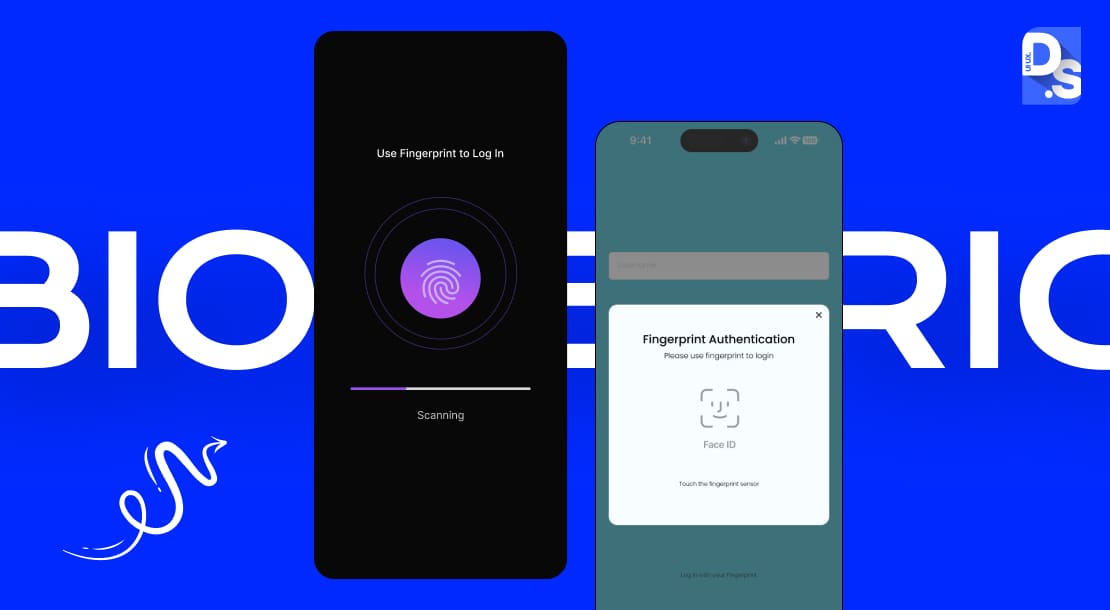
In fintech digital products, biometric security tools like fingerprint scans, Face ID, and voice recognition are now taking the place of passwords. They are more secure, quicker to use, and feel more natural to humans.
According to the FIDO Alliance’s 2024 report, the use of passkeys and biometrics jumped by 50% in 2023. These biometric tools help companies meet strict PSD2 security laws and reduce friction points.
Biometric security features are one of the top UI/UX trends shaping 2026 for all types of apps. Fueled by GDPR and rising fraud risks, it has now become the gold standard for security UX in fintech apps.
Apple Pay first popularized Face ID for payments. Then, apps like Chime started letting users log in with a fingerprint.
The benefits?
- Lightning-fast logins,
- reduced phishing, and
- compliance with regulations like PSD2.
Data shows biometrics are both safer (76% trust) and reduce fraud by 40% compared to passwords.
To implement this design trend, offer multi-modal options (like fingerprint and facial recognition) and educate your users on data safety. Partner with hardware providers to ensure your biometrics design is compatible across devices.
4. Gamification in Fintech
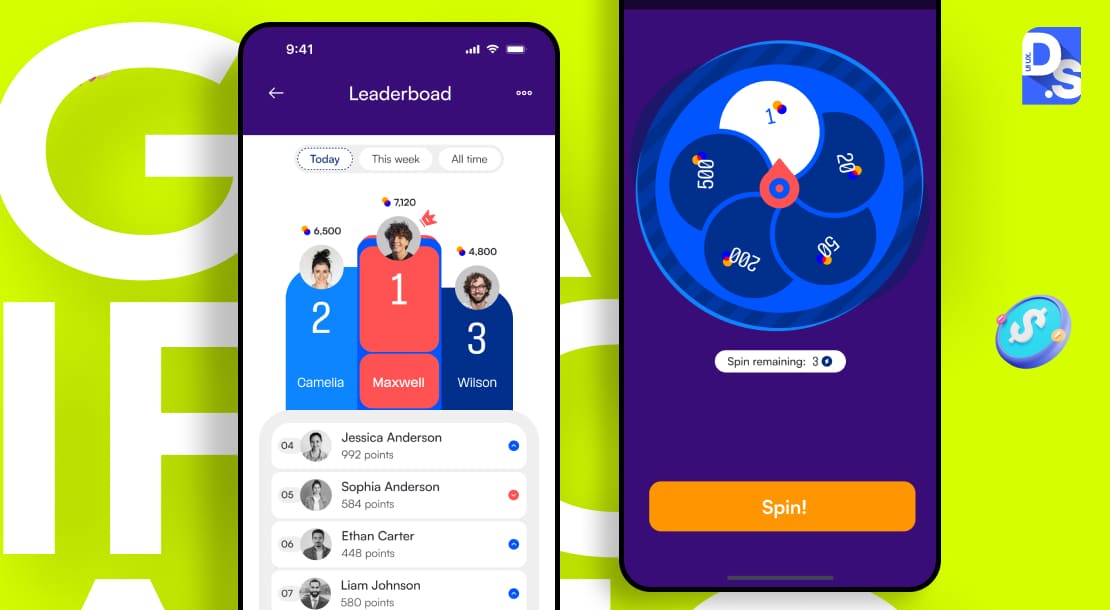
Gamification is an important part of fintech UX because it makes the act of managing money emotionally engaging for users.
Bain & Company’s 2024 research into financial behavior found that customers who are digitally engaged with their bank are 1.6 times more profitable. This happened due to engagement tools like rewards, progress tracking, and visual goals.
Also, data shows gamified finance apps see 3x higher weekly engagement rates compared to traditional banking apps, especially due to GenZ users.
For example:
- Inspired by apps like Duolingo, fintechs like N26 now reward users with virtual card skins for hitting savings goals, while
- Yotta Savings uses lottery-style incentives to boost deposits.
- Apps like Acorns, Robinhood, and Mint also use gamification to give “financial health” scores and make investing feel like a game.
Gamification is a “must-implement” design trend because it makes finance less intimidating. For instance, apps might use mini-challenges to teach tricky topics like compound interest- finish one, and you earn a badge.
Progress bars show how close you are to a savings goal, nudging you to keep going.
Gamification hooks people, builds habits, and makes finance approachable – perfect for keeping users engaged.
But overcomplicate it, and you alienate users. Start simple. Use subtle, easy-to-understand mechanics that align with basic financial goals. Adopt more gamification strategies for financial platforms gradually as your users warm up to them.
5. Seamless Cross Device Experience
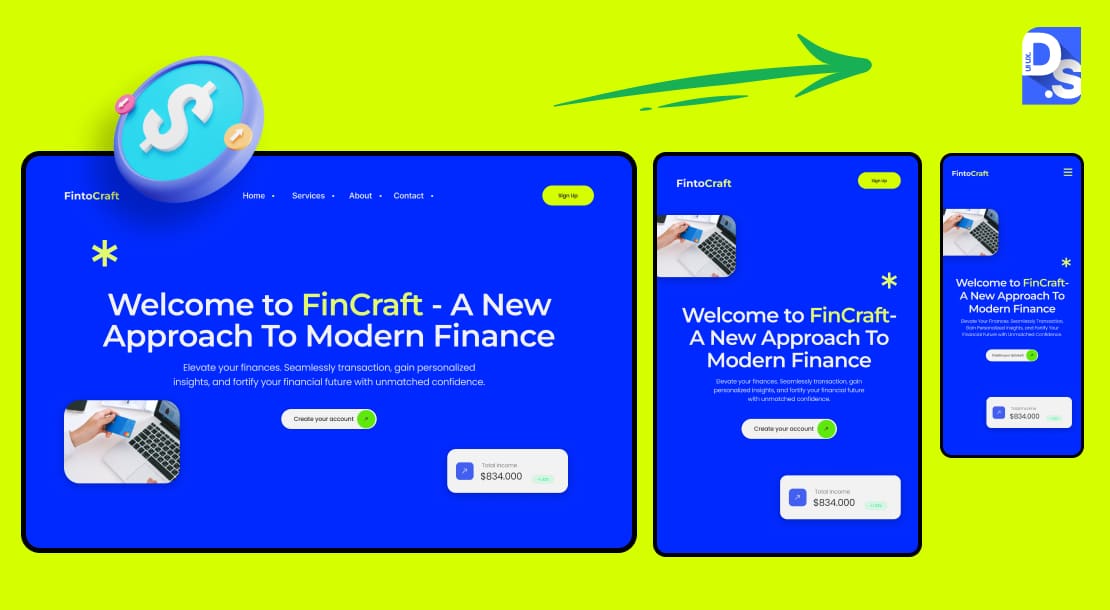
To create a truly seamless cross-device fintech experience, you need real-time cloud syncing features, consistent design framework (React Native or Flutter) and session continuity.
This makes sure critical details are always up-to-date on every gadget, maintains consistency and lets you start/resume/close a task on any device without re-entering details.
According to the World Economic Forum’s Future of Fintech report, “embedded” financial services that work across all devices will be the leading model for the next ten years.
This means finance is moving away from being just a single app and instead becoming an invisible part of our daily digital lives across every screen we use.
Cross-device compatibility is now one of the essential best practices for mobile app UX design in general, not just for fintech apps. Your phone, laptop, and smartwatch should work like a team. Seamless cross-device UX ensures that tasks like transferring funds flow effortlessly between different devices/screens.
It is about making sure a fintech app works smoothly on all your devices – phones, laptops, smartwatches, you name it. It lets you start something (like a payment) on your phone and pick up right where you left off on your laptop. Everything syncs instantly, so your data is always current. In 2026, this is a big deal because users want convenience. They hate redoing steps or losing track of things when they switch devices.
For example,
- PayPal lets you start paying on one device and finish on another without a hitch.
- Coinbase keeps your investment portfolio updated everywhere you log in.
- Monzo even shows your balance on a smartwatch for quick peeks.
Apps that do not sync across devices annoy users. Imagine checking stocks only on a tiny phone screen when you would rather use a laptop – it’s frustrating. Fintechs need to design apps that feel the same everywhere, using frameworks like React Native and features like cloud syncing.
Failing here means frustrating users with disjointed experiences.
6. Simplified Onboarding Processes
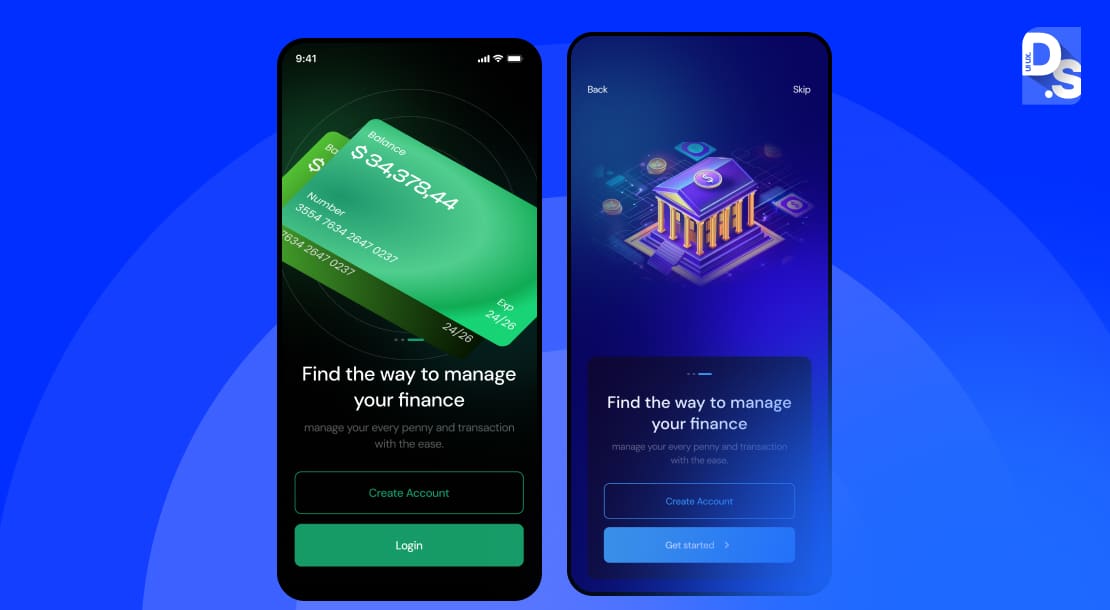
Fintech companies are making it much easier to sign up by using AI for identity checks, scanning KYC documents automatically, and offering chatbots to guide users along the way.
They also use “progressive profiling,” to keep the initial data collection light and use automated tools to scan legal documents instantly.
According to EY’s digital banking research, 40% of people give up on opening an account if the process feels too long or has too many steps.
Examples:
- Fintechs like Revolut and Chime shrank onboarding to minutes with AI identity checks and easy KYC rules.
- Monzo even offers a chatbot to answer questions while you sign up.
The average sign-up rate has also grown massively. The message is clear: fintech users want it fast and simple.
If your onboarding feels like a never-ending form, you are already irrelevant.
To win, fintechs must use progressive profiling (ask less upfront), AI-powered doc scans, smooth cross-device signups, and chatbots like Monzo’s that guide users while answering FAQs.
7. Minimalist Data Visualization
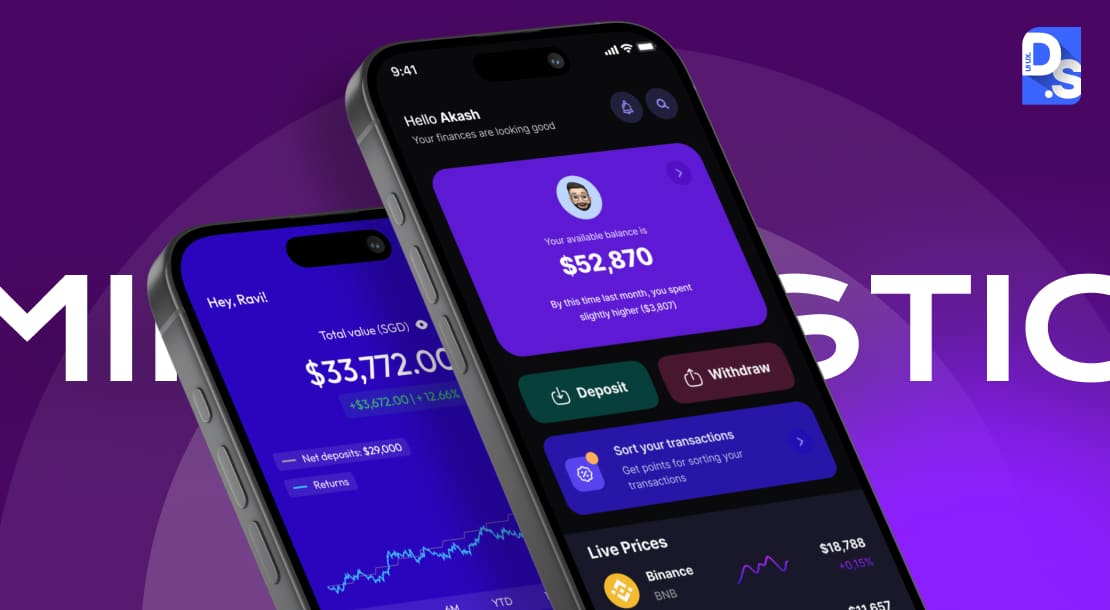
Minimalist data visualization is all about using the data-ink ratio principle. This means maximizing the parts of a design that show actual information.
Less is more, especially when deciphering complex financial data. Minimalist data visualization strips away noise, using clean charts and restrained palettes to turn chaos into clarity. This trend rose from the ashes of cluttered dashboards in many fintech platforms, where users faced more confusion than insight.
Inspired by Edward Tufte’s “data-ink ratio” theory, apps like Groww and Mint proved that a single line graph could say more than a rainbow-colored, 3D monstrosity.
In 2026, this design trend is everywhere.
Examples:
- KredX uses minimalist pie charts to show loan risks in a snap.
- Wealthfront has seen way more users stick around with simple dashboards.
- Coinbase uses monochromatic candlesticks to tame crypto volatility.
Fintechs should focus on one big number per screen, like Robinhood does with stock prices.
Leave breathing room around data and stick to three colors max – Wise nails this with bare-bones exchange graphs.
After all, good financial data design should not shout – it should calmly enlighten.
What are the Core Principles of Fintech UX Design?
- Trust by design: Follow transparency in design ideas and create a safe, secure and reliable user experience
- No friction: Cut out extra steps so users can easily complete their actions.
- Clear data: Use simple charts, dashboards and clean layouts .
- Smart AI: Use AI for implementing personalization features.
- All-inclusive: Maintain accessibility standards and ensure design elements work perfectly for every user.
- Same on all screens: Keep the design quality and the overall feel exactly the same across all phones, tablets, and computers.
How Has Fintech UX Design Evolved Over the Last Two Decades?
Fintech design evolved from boring, spreadsheet-like screens into smart, all-in-one financial hubs that use AI, apps, and easy security. According to BCG, the most successful finance companies today are the ones that prioritized UX right from the start.
Fintech UX design’s journey mirrors the broader tech revolution – a shift from transactional utility to emotional resonance. It has evolved through four distinct eras:
| Era | Industry Shift | UX Design Focus | Major Innovation | User Experience Impact |
| Pre-2000s | Digital finance became operational online | Backend efficiency over visual usability | ATMs and credit cards expanded access | Functional but cold and complicated interfaces |
| 2000s | Smartphones changed digital banking behavior | Mobile-first layouts and cleaner navigation | Rise of mobile banking apps, Enterprise website design also evolved rapidly as businesses started prioritizing user experience | Banking became simpler and more accessible |
| 2010s | Data-driven personalization became mainstream- increased retention | create personalized dashboards and provide faster support | AI chatbots, advanced encryption, and biometric authentication | Better convenience with stronger trust and security |
| Post-2020 | Fintech apps became part of everyday lifestyle | Predictive and proactive financial experiences | Predictive analytics, blockchain, gamification | Intelligent, engaging, and highly personalized UX |
Today, financial UX design blends aesthetics with empathy – using vibrant branding and relatable microcopy to demystify finance for millennials and Gen Z.
Looking toward 2026, the lines between physical and digital will blur further. AR could visualize portfolios in 3D, while VR might simulate branch visits from your living room.
Yet, the core challenge remains: humanizing finance. As regulations tighten and AI evolves, fintech UX design must keep users – not just algorithms – at its core.
What Are the Biggest Challenges in Implementing Fintech UX Trends?
The seven biggest challenges in fintech UX are: balancing new ideas with GDPR/PSD2 rules; handling the high costs of AR, AI and biometrics; making things accessible for everyone; maintaining design consistency, user trust; and preventing biometric spoofing and feature overload.
You can solve these by automating compliance, using open-source tools, and testing with users constantly.
While all these fintech UX design trends sound great, pulling them off isn’t easy. Here are seven big hurdles and tips to tackle them.
Balancing Innovation with Compliance
Regulations like GDPR and PSD2 lag behind most UX design advancements. For example, AI-driven personalization risks violating privacy laws if user data is not anonymized.
The fix?
- Partner with legal tech platforms like Comply-Advantage to automate compliance checks.
- Use regulatory sandboxes to test innovations safely.
Managing Costs for Advanced Technologies
Adopting technologies like AI, biometrics, or AR is not cheap. Small fintechs feel the pinch.
The fix?
- Start small with open-source tools like TensorFlow for AI.
- Scale as revenue grows.
- Also, adopt modular tech stacks like AWS FinTech Accelerator that offer scalable, pay-as-you-go solutions.
Addressing Accessibility Issues for Diverse Users
Not every fintech user sees, hears, or moves the same. Your voice interfaces might fail users with speech impairments; your minimalist charts might exclude the visually impaired.
To minimize these issues,
- follow WCAG guidelines.
- Add voice options or screen readers.
- Audit your designs with one of the best ux audit tools like WAVE.
- Involve diverse user groups in all tests.
Integrating Cross-Device Consistency
Syncing data across wearables, mobile, and desktop without hiccups is technically grueling.
The fix:
- Use cross-platform frameworks like Flutter and
- prioritize real-time cloud sync.
Preventing Biometric Spoofing
Facial recognition systems can be tricked by deep-fakes.
The fix: Deploy liveness detection tech, like Jumio’s AI-powered checks, along with your biometrics features to avoid this risk.
Maintaining Trust in Hyper-Personalization
Users may flee if your hyper-personalized recommendations feel too invasive.
The fix:
- Be transparent about your data practices.
- Let users control how much data they share through detailed privacy controls
- Use data dashboards to explain direct connection between their data and the features they see.
Keeping Up with User Expectations While Avoiding Feature Overload
Users want more every year. Falling behind means losing them. But, too many features also confuse them.
To solve this predicament,
- Run surveys and watch app analytics to spot what they crave next.
- Stick to what solves their problems.
- Cut the fluff after user testing shows what is ignored.
Case Studies: Fintech Companies Leading the UX Trend Game
Revolut, Robinhood, and PayPal are the 2026 UX benchmarks, who excel at hyper-personalization, fast onboarding, and AI personalization.
Let us look at three leaders -Revolut,Robinhood, andPayPal – and see how they are shaping the game.
Revolut: Global Finance, Millennial Style
Revolut makes money management slick and simple. It is built for speed and ease. The app speaks 35+ languages fluently, adapting its interface faster than a chameleon changes colors.
For example: A traveler in Tokyo sees yen-first pricing; a Berliner gets Euro-centric visuals.
Also, The dashboard conveniently hides stuff you do not use – like crypto tools – keeping the UI clean. “Savings Challenges” gamify budgeting – hit a goal, snag a badge – it is a fun affair.
Critics argue that Revolut’s speed-obsessed design might alienate older users. Yet, 50+ million users prove that when you design for the restless, the world opens its wallet.
Robinhood: The Casino of Stocks
Robinhood did not just democratize investing; it TikTok-ified it.
Swipe-able stock cards, confetti explosions on trades, and emoji reactions make the app feel more like a social network than a brokerage.
Do you want to know its secret UX design sauce? Frictionless onboarding (>100 seconds) and a “Risk Thermometer” that color-codes volatility of assets like a mood ring.
But there’s a dark side to this app. The same dopamine loops that have hooked 11+ million monthly active users also drew regulators’ ire during the meme stock frenzies.
Robinhood’s UX currently walks a tightrope that all app designers in this sector need to be wary of – making markets accessible while avoiding the tag of “digital slot machine.”
PayPal: The Comeback Kid
After years of clunky menus, PayPal’s 2024redesign was a masterclass in design-powered comebacks due to the following points-
- New ultra-intuitive dashboard
- Send money a lot? That button appears front and center.
- Run a shop? Invoices pop up conveniently.
- Frequent shoppers get one-click checkout options.
The redesign has sparked an engagement boost, proving that even legacy players can dance to new UX tunes.
- AI and ML algorithms monitor your usage history and accordingly provide suggestions. pick what you see on this new UI as per your usage history.
- Navigation is tighter too – instead of 12+ menus, you just get 3 tabs: Pay/Request, Manage, Insights.
How to Stay Ahead in Fintech UX Design
To lead in fintech industries, you must prioritize user-first design approach, with constant testing, use new tech to experiment design ideas, partner with specialist agencies, iterate quickly with MVPs, study competitors, and invest in UX training.
BCG’s report shows that continuous UX improvement is the biggest growth driver for winning fintechs.
| Strategy | How to Implement |
| Adopt a User-First Mindset | Constantly gather user feedback. Watch real users navigate your app. Fix pain points before they become churn events. |
| Leverage Emerging Technologies | Monitor AI, blockchain, and AR developments via TechCrunch or FinTech Futures. Experiment small with MVPs, then scale what works. |
| Collaborate with UX Experts | Partner with specialist fintech design agencies to access the latest best practices and avoid reinventing the wheel. |
| Iterate Fast and Often | Launch MVPs, gather user reactions, and refine rapidly. Speed beats perfection in the race to become a trend-setter. |
| Study Competitors Closely | Analyze what Revolut, Chime, and others do right. Borrow smart patterns and adapt them to your brand. |
| Invest in Employee Training | Keep your team sharp with Coursera or Interaction Design Foundation courses on UX skills and emerging technologies. |
Here’s how you get started on this path:
Adopt a User-First Mindset
Prioritize user needs like Revolut did. Ask for their feedback constantly. Test your experimental designs often. Watch real people use your app to spot pain points.
Leverage Emerging Technologies
Stay updated on technologies like AI, blockchain, or AR – read TechCrunch or FinTech Futures for new ideas. Experiment small, then go big.
Collaborate with UX Experts
Pros know tricks you might miss. Partner with design agencies that specialize in fintech design to find out what’s ‘cutting-edge’ in the field of UX design.
Iterate Fast and Often
Do not wait for perfection. Launch MVPs – minimum viable products – then tweak based on user reactions. In the race to become trend-setters, speed always beats stalling.
Study Competitors Closely
Watch what Revolut or Chime, or others do right. Borrow smart ideas but make them your own.
Invest in Employee Training
Your team needs UX skills. Sign them up for Coursera or Interaction Design Foundation courses to constantly sharpen their minds.
What Are The Future of Fintech UX Design?
Fintech UX design is set to transform along three major trajectories between 2026 and 2030: banking in 3D, rise of built-in ethics, and frictionless embedded finance services.
According to the World Economic Forum’s Future of Global Fintech report, embedded finance” – along with digital interactions will lead the industry through 2030.
This research confirms that the future of fintech UX is not about making better apps, but creating better ecosystems where financial tools appear exactly when you need them without requiring a separate app.
Fintech UX design trends are not slowing down. From 2025 to 2030 (and most probably beyond), it is headed for wild places.
Here’s what’s coming:
Banking in 3D
Imagine strapping on a headset to walk through your stock portfolio like a gallery – HSBC’s piloting VR branches where you gesture to trade stocks.
Or point your phone at a store abroad, and Monzo’s AR overlay shows real-time exchange rates.
By 2027, 25% of banks will offer this form of ultra-immersive financial experiences.
Ethics as a Feature
Transparency is the new premium. Apps like N26 now expose how your data tweaks algorithms via “Transparency Streams,” while Wise lets users dial interface complexity up or down.
The goal? Design that empowers without patronizing. Chime’s “Financial Health Scores,” for example, frame setbacks as growth opportunities – no shame, just ethical solutions.
Finance Invisible, Frictionless, Everywhere
Tomorrow’s fintech will nest inside your life like a silent partner. Revolut already adjusts travel insurance based on your Strava runs. Klarna auto-suggests cheaper, custom buys at checkouts.
Starling Bank’s “Guardian Mode” auto-creates emergency funds if it spots medical bills in your transactions.
The future of fintech won’t be about creating apps – it’ll be about creating ecosystems.
Conclusion
For fintechs lagging behind these trends, the message is clear: adapt or fade. Start small – slash onboarding steps, simplify a chart, test a chatbot. But start now.
The gap between leaders and laggards isn’t just growing; it is accelerating.
Ready to leap ahead? Design Studio UI UX crafts custom UX design solutions for fintech businesses that balance innovation with user-centric empathy.
Whether you are reinventing legacy systems or launching the next Robinhood, the future belongs to those who design with users, not for them.
FAQ’s
What is FinTech UX?

FinTech UX (User Experience) is the discipline of designing financial technology (FinTech) products. It simplifies complex financial tasks on these products. Designers make these tasks feel intuitive to users with user-centric data visualizations. And, they make them secure and regulatory-compliant.
Are there any current developments in fintech UX?
Today’s fintech UX focuses on making apps smarter with AI, easier to access with biometrics, usable by voice, built for phones, and safer for your info. These developments help people use financial apps more easily, safely, and comfortably.
What are the principles of fintech UX design?
Make every interaction feel secure. Ensure transparency in every financial process. Make every feature easy to use. Make complex financial information clear and easily digestible. Ensure the design achieves total regulatory compliance. Prioritize building user trust in every design decision.
What is UX in banking and finance?
UX design in banking/finance is all about making digital banking feel simple, accessible, and trustworthy. UX designers give digital banking products user-friendly interfaces. They give them intuitive navigation and information structures, while making all features secure, compliant, and easy to use.
How does fintech UX differ from traditional app design?
The stakes are higher because you’re dealing with users’ finances! Fintech UX requires higher security standards. It has stricter regulatory compliance requirements and has to feature more trust-building elements. And, it has to simplify complex financial processes for the masses.
How can fintech apps improve their UX design?
Any feature that reduces users’ anxiety can improve a fintech app’s UX design. This can be simpler onboarding processes, more digestible financial data presentations, or instant feedback on interactions. Apps must also continuously refine their UX as per user feedback.
How to design a fintech app?
Adopt a user-first and security-first mindset. Research your target users’ financial behaviors online. Research competing apps. Create basic user flows. Maintain regulatory compliance in every flow. Test every sketch, wireframe, and prototype with users to gradually shape the app’s design.
What is the user flow of a FinTech app?
Open the app’s homepage. Register with your name and email. Verify your identity. Set up an account. Add your financial data to your profile. Then, you start using the app’s financial features. That’s the typical user flow in FinTech apps.