

Top 10 Benefits of UI/UX Design for Your Website in 2026



Why do certain apps or websites skyrocket to success after investing in professional UI/UX design services? To answer that question, we discuss 10 indelible benefits of UI/UX design.
In today’s hyper-competitive digital landscape, users demand seamless, intuitive, and meaningful digital interactions. UI/UX design for apps and websites is a field that is dedicated to crafting such experiences. But what exactly do those terms mean? Let’s break them down.
User Interface (UI) design focuses on the aesthetics of a digital product – the buttons users click, the colors they see, the typography they read, and the responsive animations that guide them. It is the visual layer that communicates your brand’s personality and ensures every interaction feels polished.
Think of it as the interior design of a building: the choice of furniture, lighting, and decor that makes a space inviting.
User Experience (UX) design, on the other hand, is the blueprint behind that building. It is the strategic process of mapping user journeys, identifying pain points, and structuring workflows to solve real problems.
UX designers research user behaviors, test prototypes, and refine interactions to create logical, frictionless pathways.
If UI is the “look,” UX is the “feel” – the silent orchestrator of satisfaction.
While debates persist about whether one designer can handle both roles, the truth is that UI/UX design services thrive on collaboration. Imagine constructing a skyscraper: architects (UX designers) define the structure’s purpose, layout, and accessibility, while interior designers (UI designers) ensure the space is visually cohesive and functional.
Separating these roles risks misaligned priorities – a beautiful interface confusing to navigate or a logical structure that feels sterile. For example, when designing UI/UX for apps, a UX specialist might optimize the checkout process for speed, while a UI designer ensures the payment buttons are visually distinct and the loading animations reduce perceived wait times.
Whether you are launching a startup or scaling a business, the benefits of UI/UX design services are undeniable. We are talking happier users, higher engagement, and more conversions. That’s why the demand for world-class UI/UX design services in the USA and other digital-first regions of the world has never been higher.
Why is UI/UX Design Important for Business Websites and Apps?
A design is first and foremost evaluated by the effectiveness of its usability. Or in other words, how well a user can use that particular design helps a user achieve their intended goal. Why? This is because app or website designs that do not help users achieve their primary goals are annoying at best and disastrous at worst.
Since UX design is about the totality of the experience a user has with an app or website, we tend to think high usability is achieved by simply focusing on UX. However, UI design is ultimately responsible for what end-users interact with.
Choices in things like layout, typography, information hierarchy, interactions, accessibility, and information density are the responsibilities of the UI designer – and those are the things that ultimately make or break usability.
A killer UI makes navigation a breeze with clear buttons, smart layouts, and visuals that guide users effortlessly to their goals.
Meanwhile, thoughtful UX design ensures that the journey feels rewarding, mapping out every step so it’s intuitive and meets user needs. Together, they create a seamless flow that keeps people engaged longer, whether they’re shopping, browsing, or exploring.
Modern UI/UX design for apps and websites also digs deep into user psychology, and analyzing real-world website ui/ux design examples allows designers to identify what patterns emotionally resonate with users.
By conducting surveys, A/B testing, and heatmap analysis, designers uncover what users truly want – often before they know it themselves. For instance, Netflix’s auto-play trailers (a UX design tactic) reduce decision fatigue, while its bold, dark-themed UI keeps focus on content.
Together, these choices create a sticky, satisfying experience that keeps subscribers coming back.
The benefits of UI/UX design do not stop there.
Take accessibility, for example – it is often sidelined, yet designing for all users, including those with disabilities, opens your app or site to a wider audience while showing you care. Then there’s brand perception.
A sharp, modern UI screams professionalism, building trust instantly, while a thoughtful UX ties your product to positive vibes, strengthening your identity.
Designing proper UI/UX for apps and websites tackles many practical, individual-level challenges too. It streamlines content so that users do not drown in info and optimizes every interaction to save users’ time. We are talking about digestible impactful content and fewer clicks to checkout.
These details add up and turn casual visitors into converts. Getting professional UI/UX design services also means that your product features all the current top UI/UX design trends.
These subtle wins can make a huge difference in an era where competition is fiercer than ever and following cutting-edge design trends gives brands a major edge in the market. In essence, UI/UX design is the silent ambassador of your app or website.
It shapes perceptions, builds trust, and turns casual visitors into loyal advocates.
Let’s decode the tangible benefits of UI/UX design to understand that on a deeper level.
Top 10 Benefits of UI/UX Design for Your Website or App
1. Enhanced User Engagement

Professional UI/UX design services transform passive browsing into meaningful interactions. When users encounter intuitive layouts, logical navigation, and visually appealing interfaces, they are more likely to explore deeper into your platform. For example, strategically placed micro-interactions – like animated feedback when clicking a button or subtle hover effects – create a sense of responsiveness that keeps users invested.
Reducing friction can also enhance engagement. Cluttered designs or hidden features lead to frustration, with studies showing a 67% increase in bounce rates for poorly structured websites. By contrast, well-designed UIs guide users toward key actions, whether it is signing up for a newsletter, watching a video, or exploring product categories.
UX designers use empathy mapping to align all features with frustration-alleviating emotional triggers, such as progress bars that gamify multi-step tasks. Meanwhile, UI designers optimize clickable elements using principles like Fitts’ Law, ensuring buttons are sized and placed for effortless interaction.
The result? Platforms see average session times increase and return visits surge as users start associating the app or website with seamless usability.
2. Increased Conversions and ROI
Every element of your app or site’s design influences a user’s interest in making a purchase or taking any other desired action. Professional-grade UI/UX design for mobile apps and websites is optimized to remove all barriers between user interest and action.
After professional UI/UX designers step in, it does not take much time for conversions to take off. More visitors turn into customers, and revenue climbs steadily.
The design makes buying or signing up simple and stress-free. Forms shrink, checkout flows smooth out, and trust grows with clear visuals. Without this, a complicated process might scare users away mid-action. Experts analyze where people quit, tweaking those spots with precision.
A bright, bold “Buy Now” button grabs attention instantly. Trust signals like reviews or badges pop up right where they are needed. These changes lift click rates and sales fast. Every tweak pays off big, with study after study showing that a single dollar spent on UX can bring back a hundred.
Businesses notice the difference in their bottom line almost immediately.
The app or site starts working harder, turning casual browsers into loyal buyers. It is a smart investment that keeps delivering profits over time.
3. Faster User Onboarding
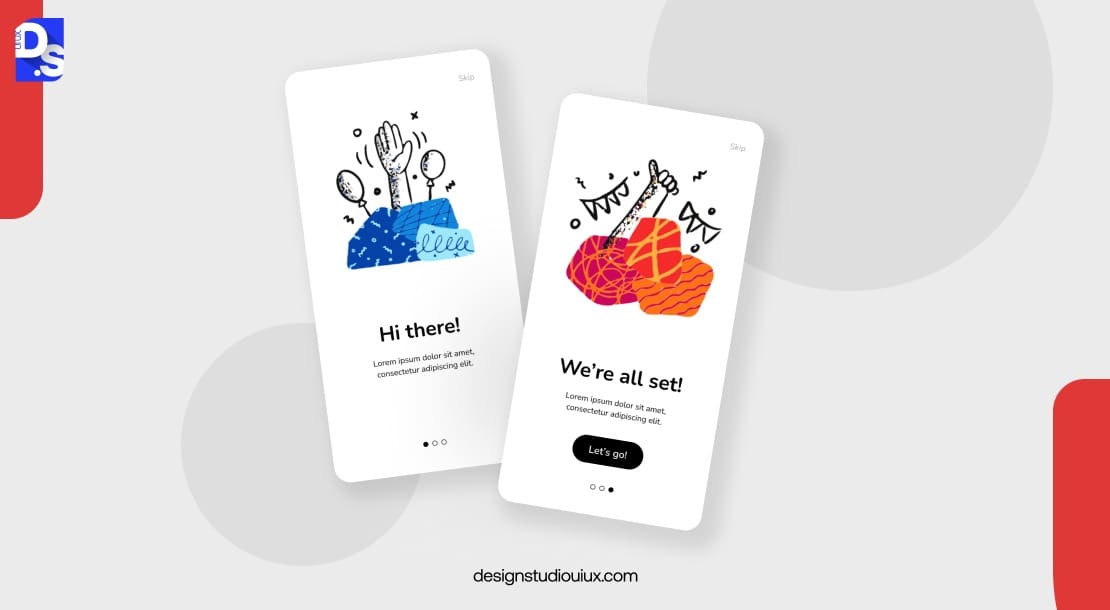
When a website or app gets professional UI/UX design services guide, new users get up to speed quickly. They grasp the product’s value in minutes, not hours. The onboarding feels like a friendly guide, not a chore. Steps stay short and clear, showing just what is needed.
Otherwise, users might feel lost and give up early.
Designers craft a path that highlights the best features fast. Interactive tips replace boring slides, making learning fun. Loading screens stay engaging with subtle animations. People start using the app sooner and stick with it longer. Retention rates climb as confusion drops. The design nudges users toward that “Wow, this is great!” moment effortlessly.
Satisfaction soars, and the product feels welcoming from day one. Businesses see more active users because onboarding stops being a hurdle.
4. Improved Accessibility
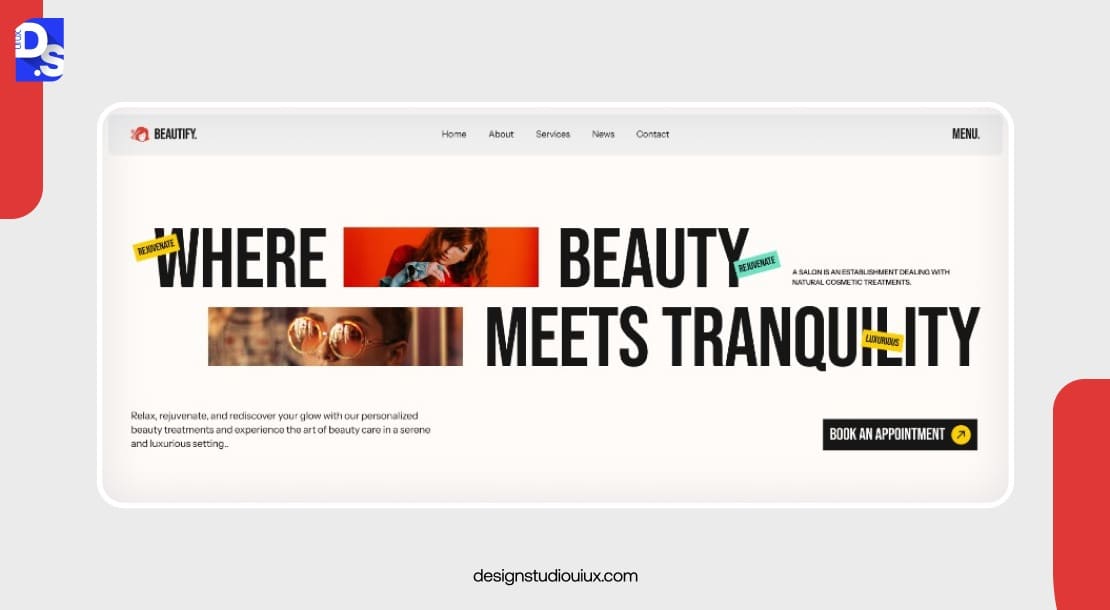
Over 1.3 billion people globally live with disabilities, yet many apps/sites exclude them through poor design choices. Smart UI/UX design can make a website or app open up to everyone. Simple changes – like sharper text contrast – make a huge difference.
Designers tweak their layouts so keyboards work smoothly and text reads aloud clearly. Colors adjust for better visibility, helping those with vision challenges. The design meets global standards, making it inclusive and legally sound. More people join in, growing the audience naturally.
The brand shines as caring and modern, earning trust across the board. Revenue ticks up as new markets unlock. Users feel valued, and the product becomes a go-to for all.
On the other hand, inaccessible designs are not just unethical; they are costly. In 2024, the number of accessibility lawsuits faced by retail websites in the US increased by 72%.
Investing in world-class UI/UX and custom web design solutions that prioritize accessibility is the best way for websites to avoid such costs.
5. Reduced Development Costs
Skipping UI/UX design to “save time” often backfires. Fixing usability issues post-launch costs 10x more than addressing them during prototyping. UI/UX designers mitigate this risk by creating interactive wireframes that uncover over 90% of flaws before coding begins.
They also create design systems with reusable components (buttons, forms, icons). These systems slash development hours by up to 45%. Design and development teams can now collaborate better with tools like Figma.
All of this results in the product hitting the market sooner, beating competitors to the punch. The final result is a lean, effective app or site that did not break the bank. Companies get to save big and still deliver something users love.
6. Brand Credibility and Trust
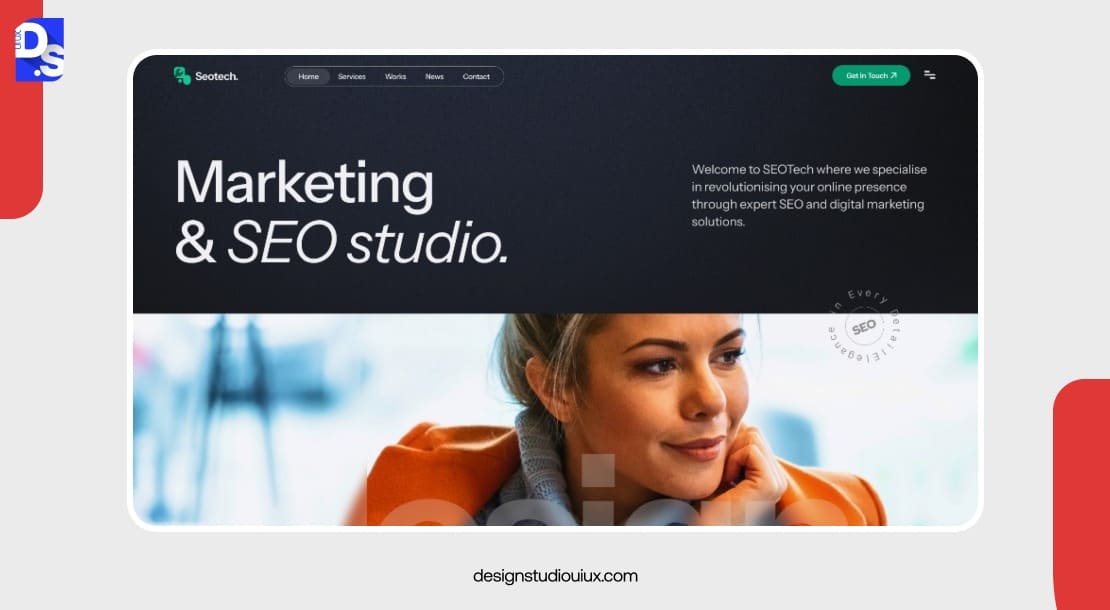
A polished, consistent UI/UX design acts as a silent ambassador for your brand’s reliability. When users encounter cohesive visual language – like uniform typography, color schemes, and button styles – they subconsciously associate your platform with professionalism and stability.
For apps and websites, trust is further reinforced through transparent interactions: clear error messages, visible security badges, and intuitive privacy controls. UI/UX designers specialize in auditing and refining these elements, ensuring every pixel communicates authenticity.
By contrast, poorly designed interfaces erode trust instantly. Inconsistent branding or broken links signal neglect, while cluttered layouts raise doubts about security.
UX designers align interfaces with cultural and industry expectations, while UI designers standardize interactive elements to eliminate ambiguity.
Strategic design choices – like using calming blues for financial apps or incorporating biometric login prompts – signal competence and safety.
7. Customer Retention
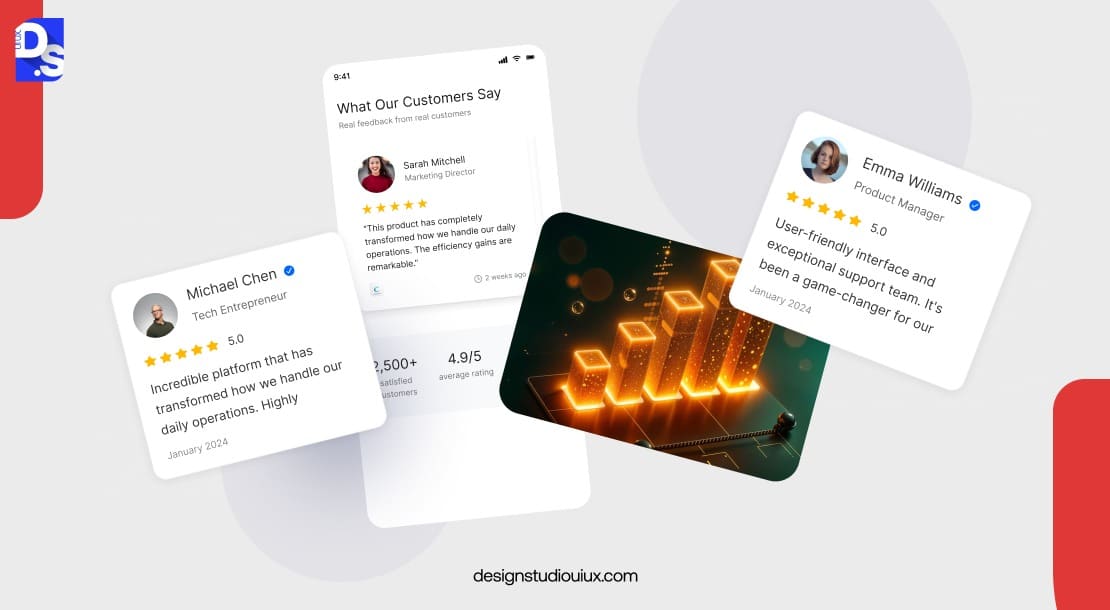
Once professional UI/UX design are implemented, websites and apps become ‘sticky.’ The experience shifts to feel effortless and personalized, reducing frustration and building habits. Designers craft journeys that reward users at every step.
They sprinkle in delightful touches, such as subtle animations for completed actions, turning routine interactions into moments of joy.
Thus, retention soars as users integrate the website or app into their daily lives, finding it indispensable. Businesses see repeat visits climb and churn rates plummet, as the design fosters a sense of connection.
8. SEO Benefits
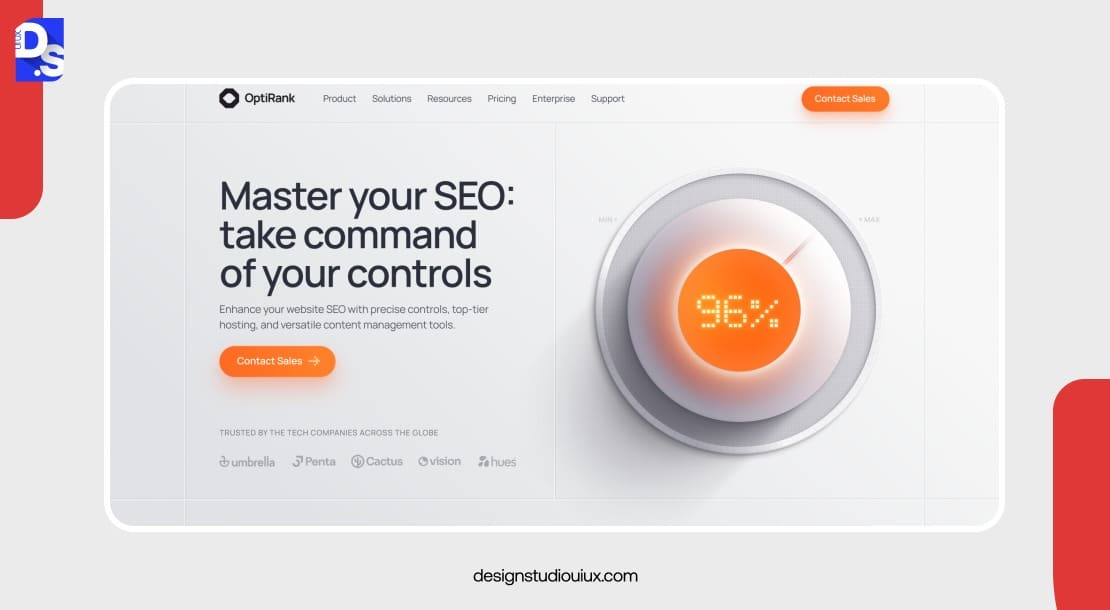
The role of UX in SEO cannot be understated. Google prioritizes mobile-friendly, fast-loading websites, with 60% of ranking factors tied to responsive design.
Clean code structures, optimized images, and lazy loading techniques reduce page load times, while semantic HTML markup improves crawlability. For content-heavy platforms, intuitive navigation – like breadcrumb trails or card-based layouts – helps search engines index pages efficiently.
Meanwhile, AMP (Accelerated Mobile Pages) compliance ensures mobile users enjoy seamless experiences, a critical factor for SERP rankings.
UX designers align content hierarchies with semantic search patterns, while UI designers compress media files without sacrificing quality.
The payoff? Platforms can achieve 150%+ organic traffic growth in just a few months.
9. Stronger Competitive Edge
When professional UI/UX design are implemented, websites and apps leap ahead of the competition. The design becomes a standout, offering a fresh, memorable experience that generic alternatives cannot touch.
Unique design features – like interactive previews or smooth transitions – capture attention and elevate perceived value. Without that, a bland or outdated interface might leave the product lost in the crowd, overlooked by users seeking something special.
UI/UX teams pinpoint market gaps, crafting distinctive elements that set the website or app apart, from bespoke icons to innovative layouts. They create a visual and functional identity that’s instantly recognizable, making every interaction feel premium.
The result is a digital presence that commands attention, even in oversaturated markets.
10. Data-Driven Improvements
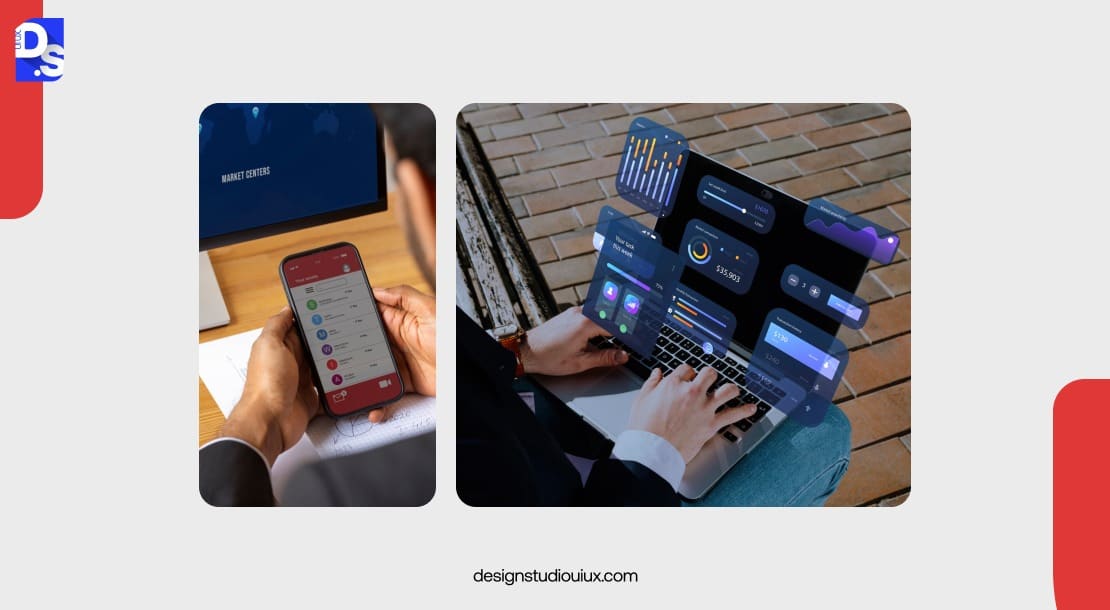
Great design is not static. It evolves through continuous iteration. Professional UI/UX services turn data into action, ensuring the product stays relevant and responsive to shifting user needs.
UX designers set up cohorts to track feature adoption, while UI designers prototype adjustments in tools like Figma for pre-launch validation. This agile approach ensures updates align with real user behavior, not assumptions.
Over time, data-driven design refinements lead to faster conversion improvements and higher and higher user satisfaction rates.
This relentless optimization keeps the experience fresh and competitive, delivering results that get better with every iteration.
How to Leverage UI/UX Design for Your Business Success
Want to secure the benefits of UI/UX design for your website or app?
Here’s how to make it happen:
Conduct User Research: Build on Insights, Not Assumptions
Start by understanding who your users are and why they interact with your product. Use surveys, interviews, and analytics tools to map pain points, preferences, and behaviors.
Partner with a Professional UI/UX Design Agency
DIY design tools have limits. Seasoned UI/UX design services bring expertise in balancing aesthetics with functionality. Professional designers audit your current platform, identify usability gaps, and craft solutions backed by industry benchmarks.
Foster Cross-Team Collaboration
Design does not operate in a silo. Involve developers, marketers, and customer support early to align on goals. Shared design systems ensure consistency across platforms, while regular stakeholder reviews prevent misalignment.
Prioritize Scalability
Anticipate future growth. Modular design components and flexible layouts let you add features without overhauling the entire interface.
Test, Refine, Repeat
Launching is just the start. Keep improving with tools like A/B testing and user feedback. Small tweaks over time ensure that your design stays relevant and keeps users coming back.
Ready to get started right away?
Explore our UI/UX design services and see how we can elevate your project.
Conclusion
Investing in UI/UX design can be a game-changer for your app or website in a long list of ways. From boosting conversions and SEO rankings to fostering loyalty and trust, the benefits ripple across every business metric.
Hire a UI/UX design agency today to start your journey toward happier users, a stronger brand, and a healthier bottom line.
If you want a free consultation before you hire professionals, contact Design Studio UI UX! We’ll map out your design journey with detailed cost and time estimates.
FAQ’s
Why is UI UX design significant in web design?

Good UI design makes room for seamless and enjoyable user interactions. Again, superior quality UX design gives rise to a meaningful experience that meets users’ needs effectively. Together, they create visually appealing products that score high on functionality, driving user loyalty and conversions.
What are the benefits of UI UX?
The following benefits of UI UX combine to give businesses strong competitive advantages.
- Higher long-term conversion rates.
- Stronger annual customer retention rate.
- Lower website development and maintenance costs.
- Making your brand appear superior online.
- Delivering world-class browsing experiences.
What is UI/UX used for?
UI/UX is used to align your product’s design with your business objectives and with your users’ real-world needs. This alignment makes your products deliver value – both to your bottom line and to your users. To understand exactly how this alignment translates into tangible growth, read our guide on why UX design is important for business.
Why is UX/UI important in eCommerce?
UX/UI directly impacts an eCommerce platform’s ability to sell. UI/UX design simplifies product discovery. It optimizes checkout processes for maximum conversions and builds trust with professional-grade product presentations. It’s what makes these platforms mobile-friendly and widely accessible.
Does UI/UX design require coding?
UI/UX designers today don’t typically code. They use specialized, no-code design tools. But most of them have basic knowledge of front-end development principles. It ensures their ideas can be turned into real products and improves communication with developers.
In what ways does UI/UX design shape consumer decisions?
Better design helps websites get more user activity and build trust with visitors. It positively influences purchasing decisions by reducing shoppers’ cognitive load. UI/UX design constantly creates positive brand associations. These impacts accumulate to encourage repeat visits.
When to update UI UX design?
Look at the data for issues such as high bounce rates and improve the UI/UX when needed. Always check if the design supports your business objectives. Update routinely to eliminate recurring issues.
How does UI UX design affect website performance and SEO?
Faster loading times, better mobile optimization, longer user sessions, appearances in Google’s snippets, and AI search results- UI/UX designers optimize websites for all of these qualities. They all boost the site’s search rankings and overall performance.
What are the five elements of UI UX design?
Explain the ‘why’ behind the UX design project (Strategy). Define the ‘what’ (Scope) of the project. Organize all the content (Structure) in the design. Arrange the design’s interface (Skeleton). Finally, apply the visual layer (Surface).